In the morning, D’n’M found some water in the tent but it was not too bad. I had been awake often because of feeling cold and whenever I was not too lazy, I put on some additional clothes, but still I could not sleep the last few hours. There was no reason to hurry but we were glad that we already had packed the tent when again rain started. There was a big shelter for cooking, and we gathered there and even could use the gas cooker there.
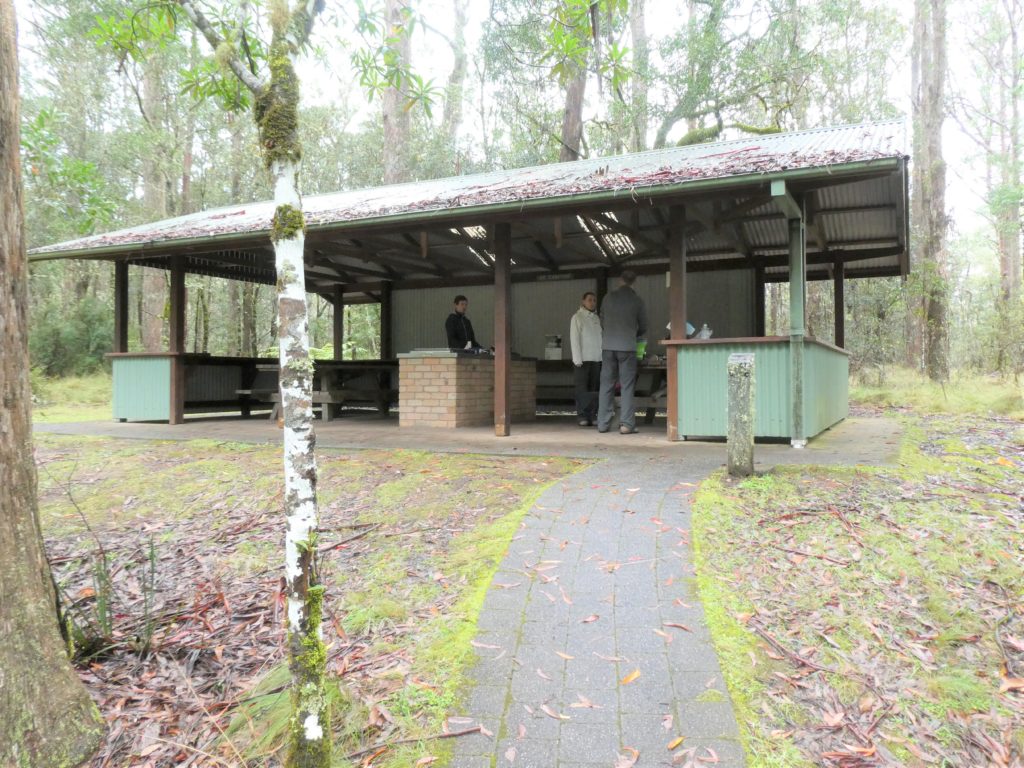
the shed or shelter for cooking 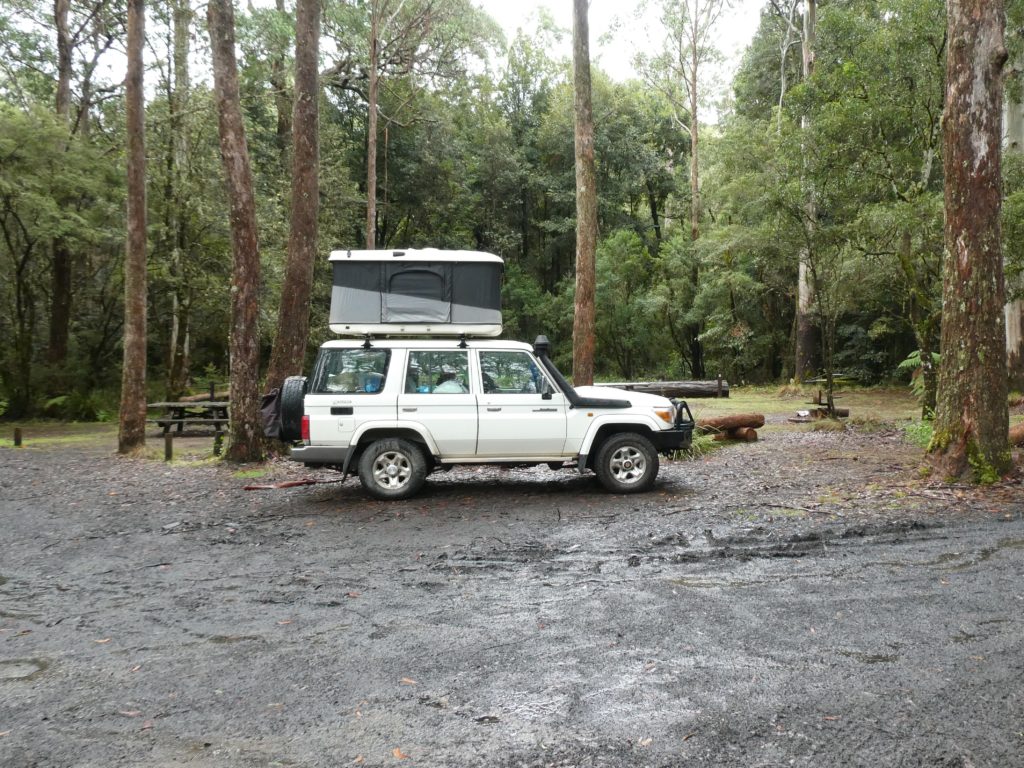
When we were ready to leave, the rain also had stopped and so we went for a hike, the Point lookout and the Eagles Nest track with wet rainforest. The lookout offered a great view
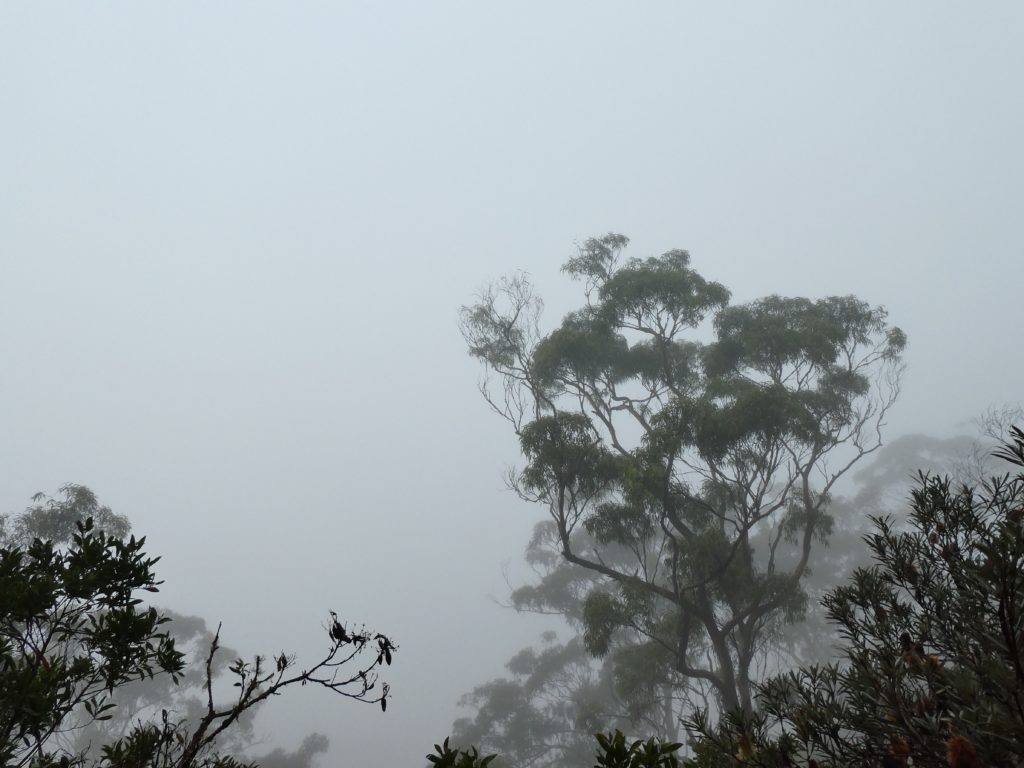
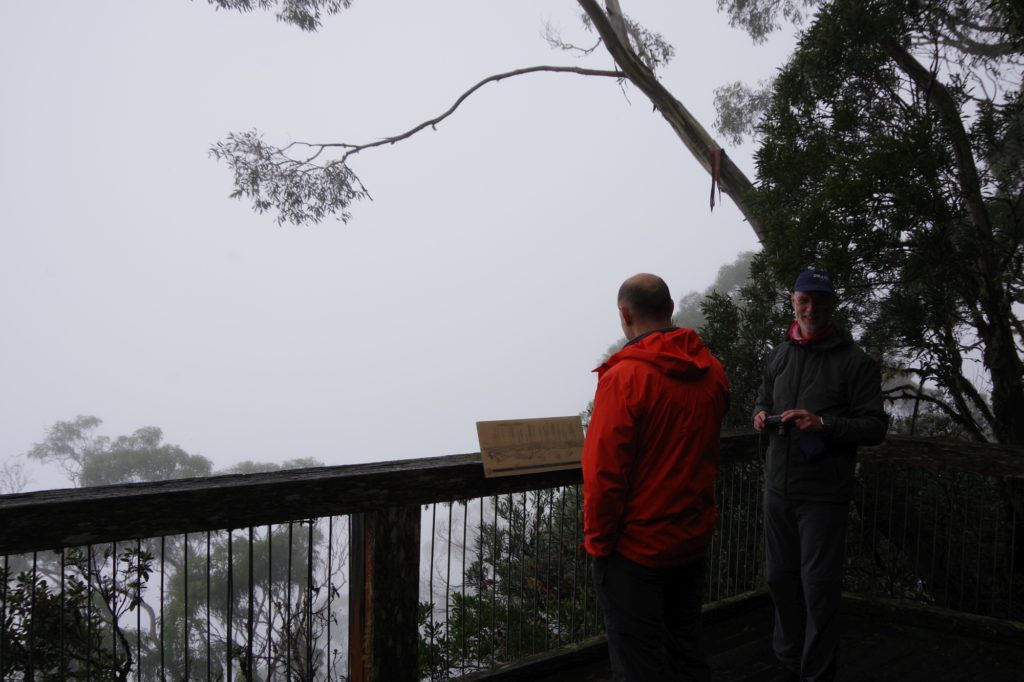
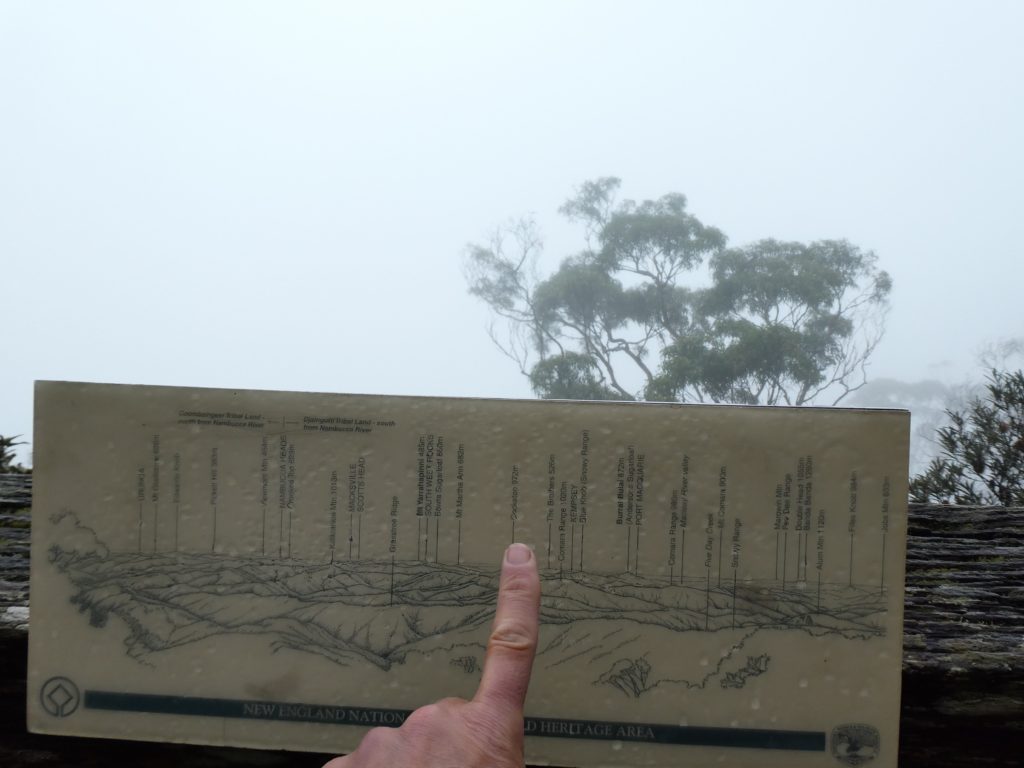
here you see all the mountains (that you could see) 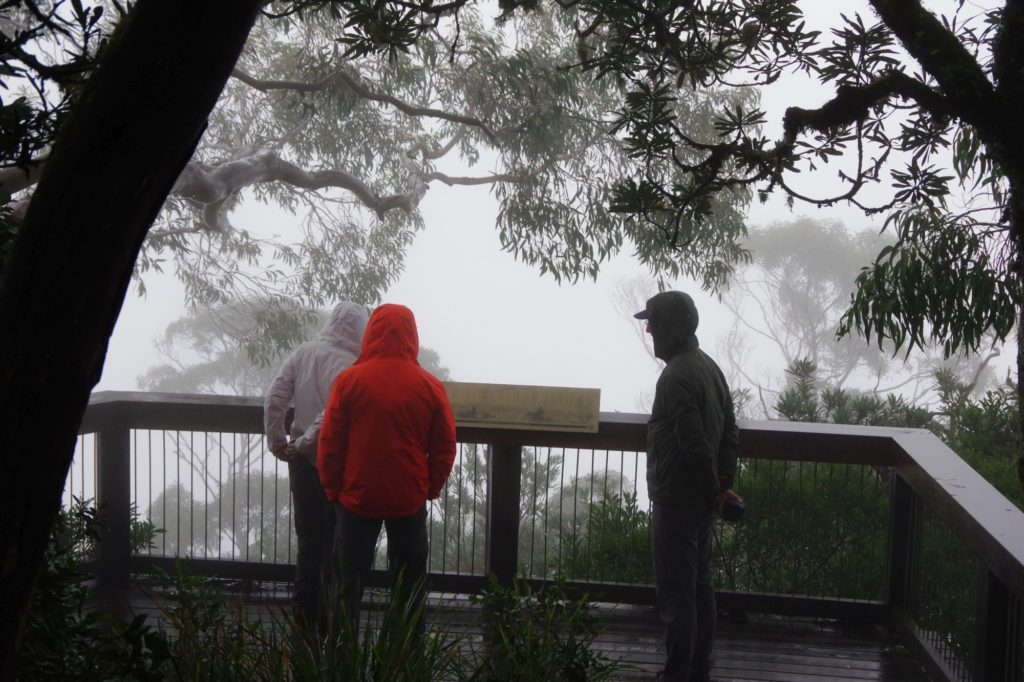
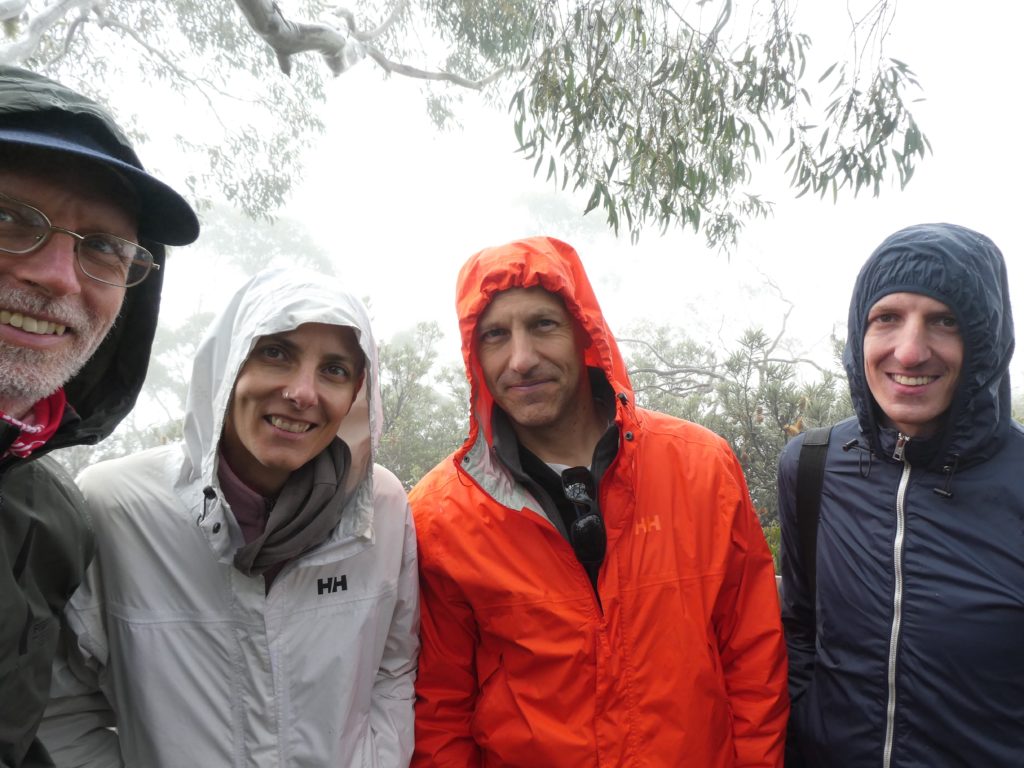
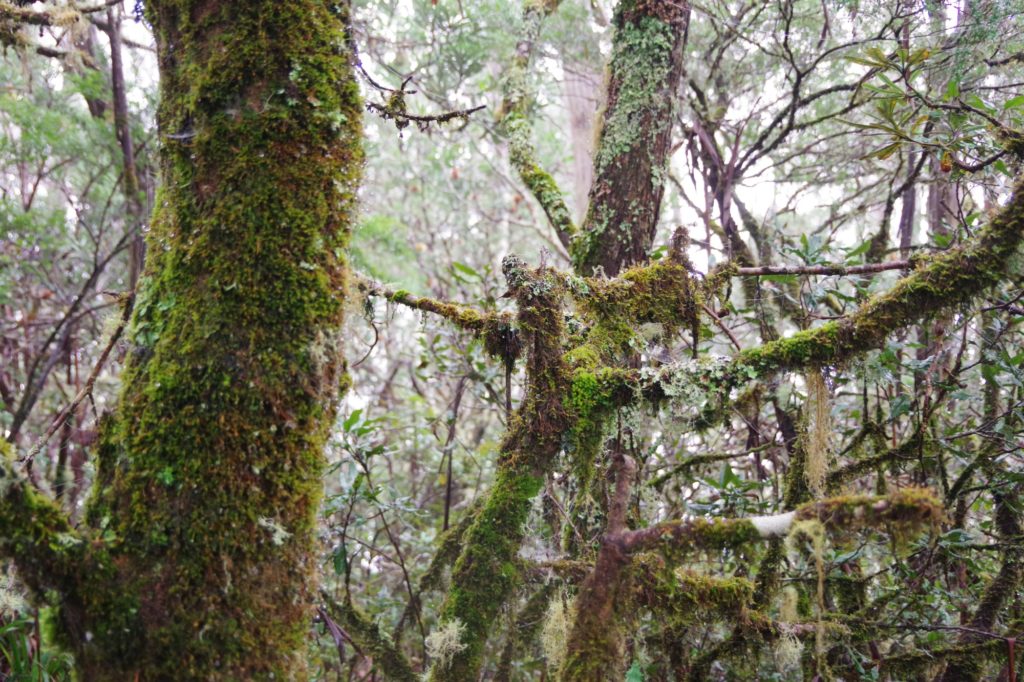
– today into very dense fog and on the track, we could see what vegetation fog and rain form.
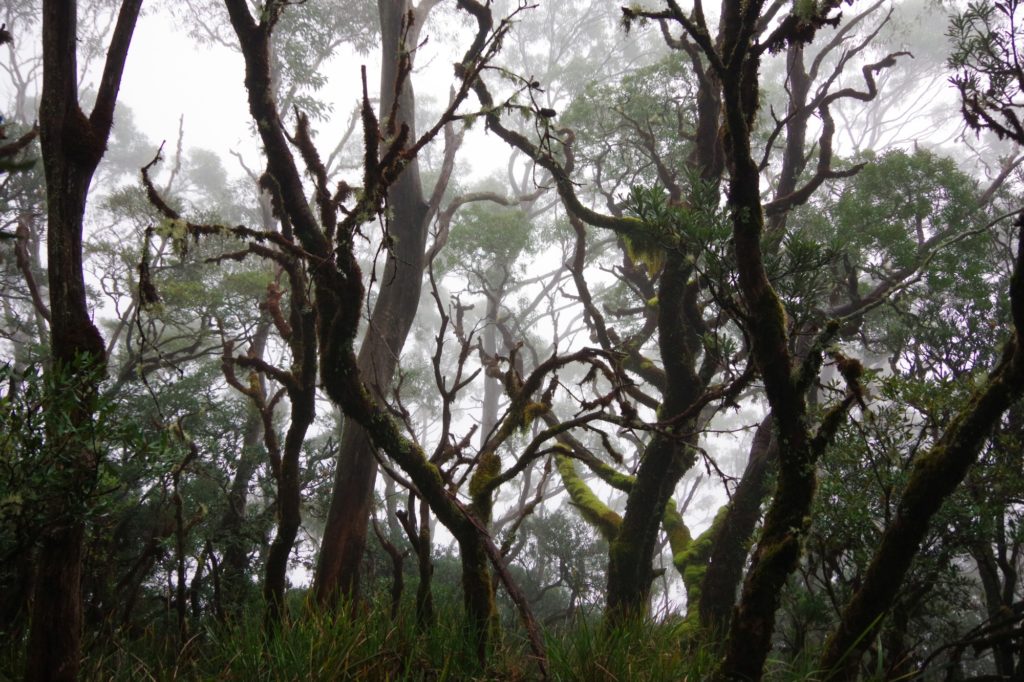
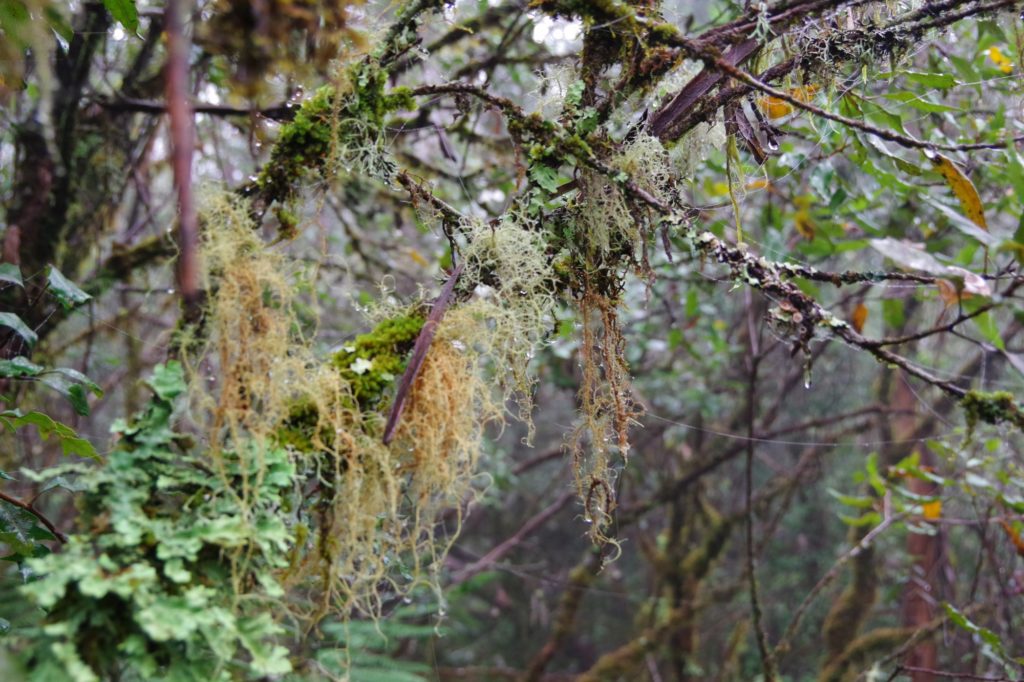

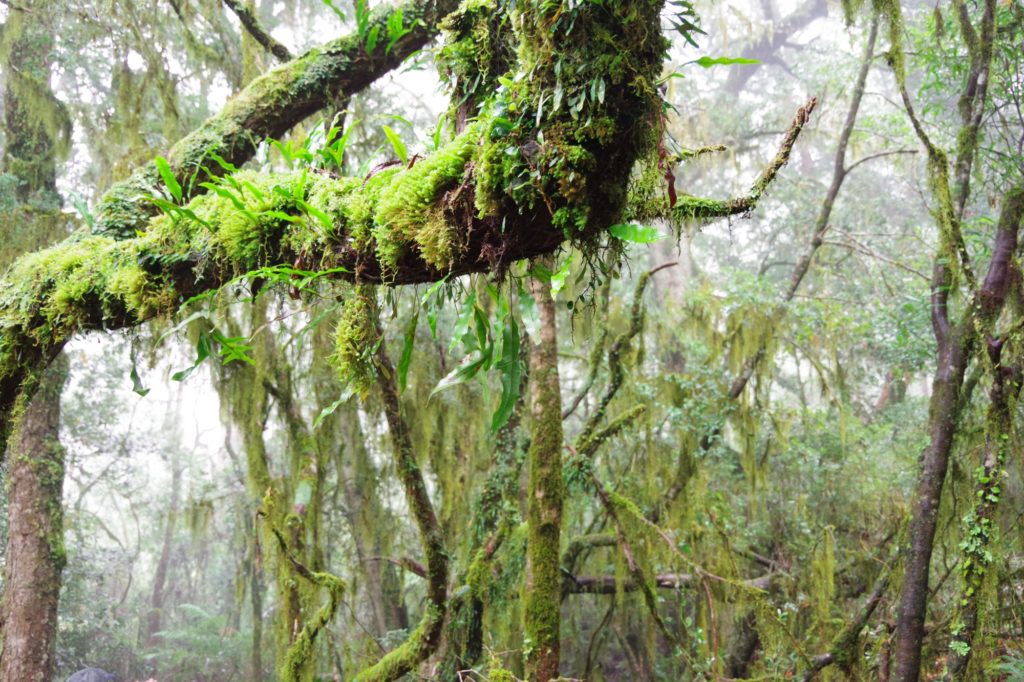
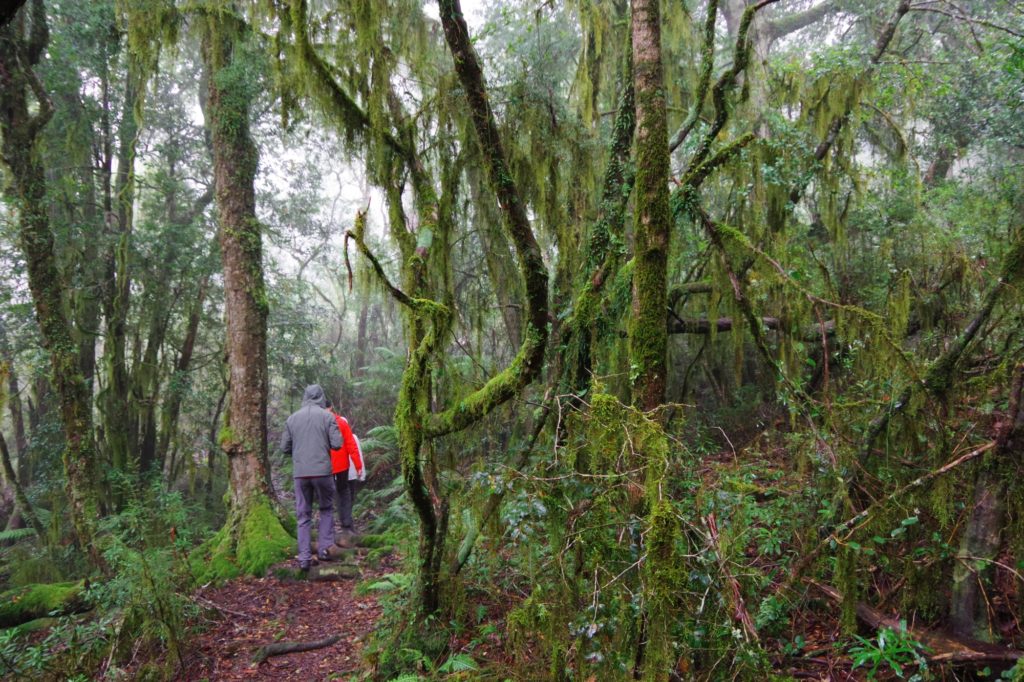
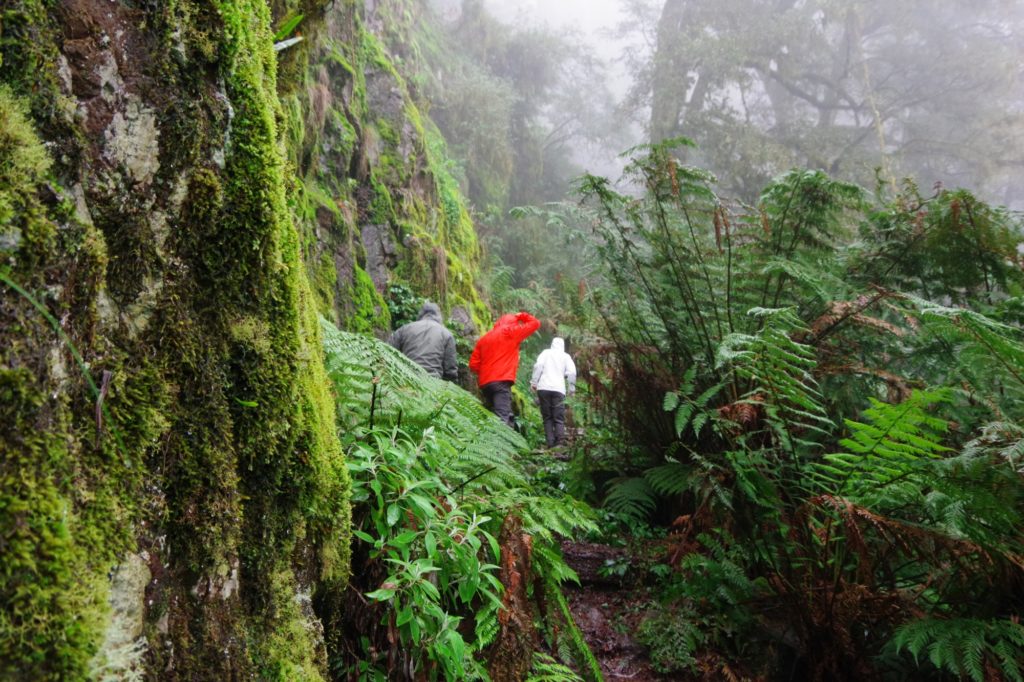
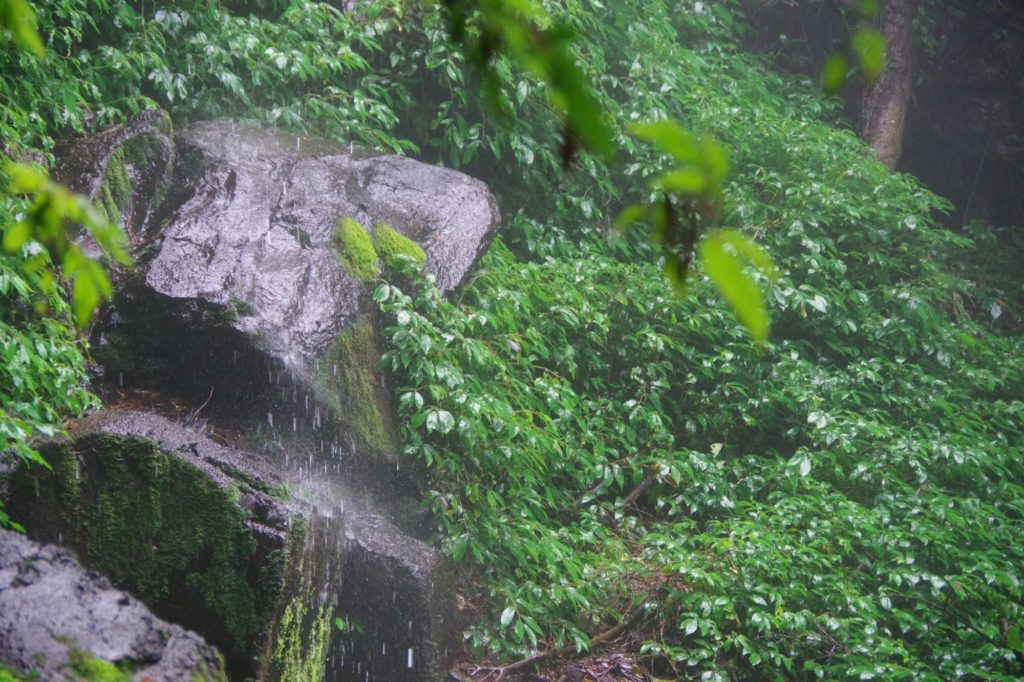
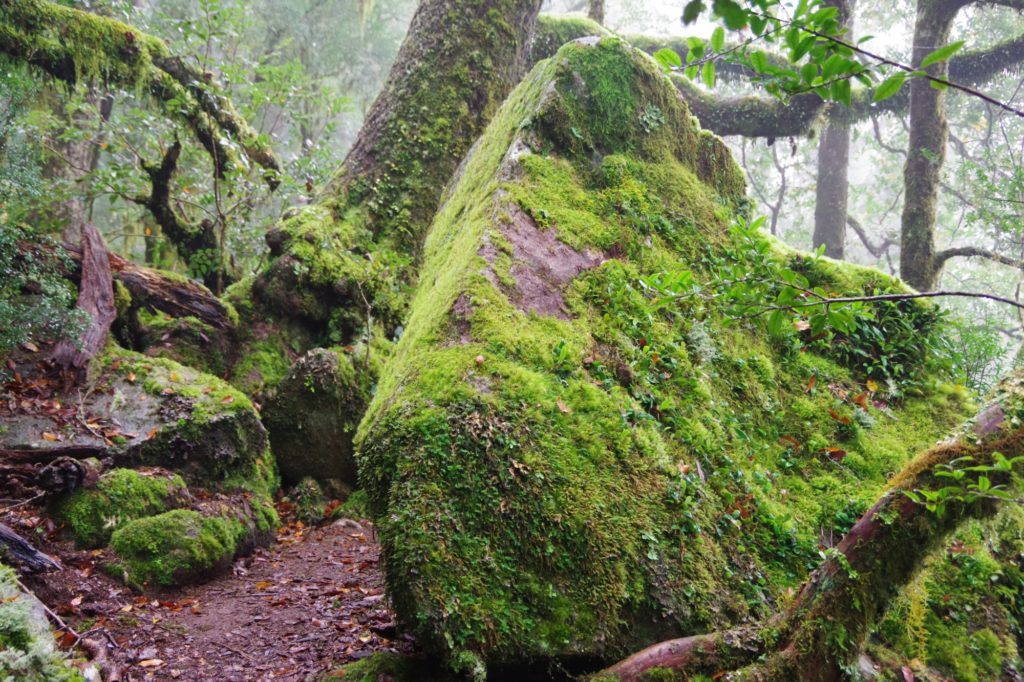
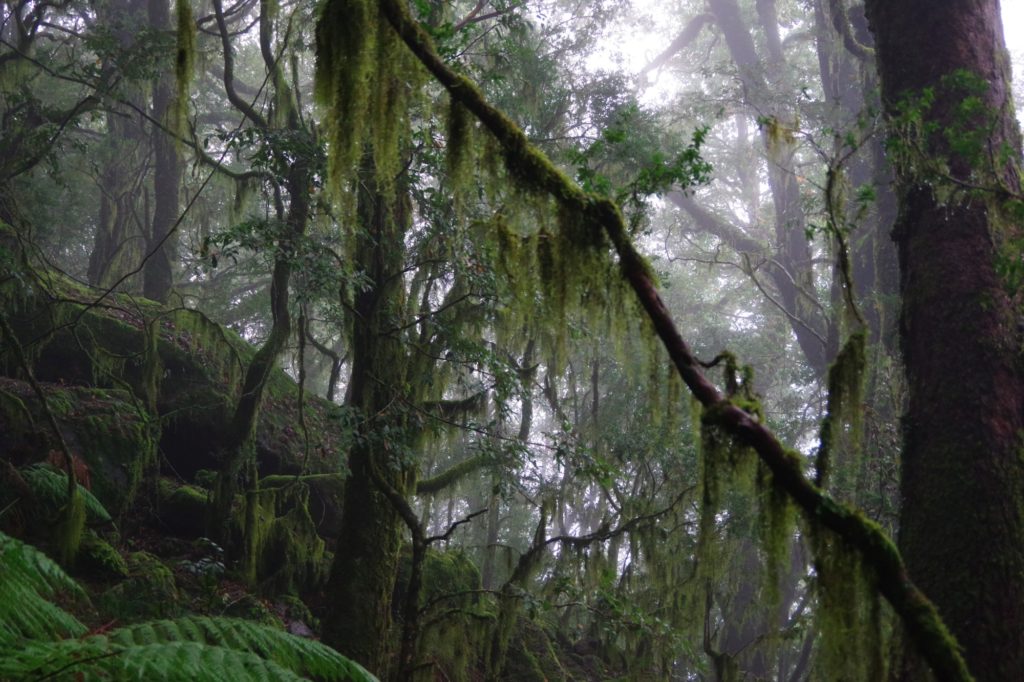
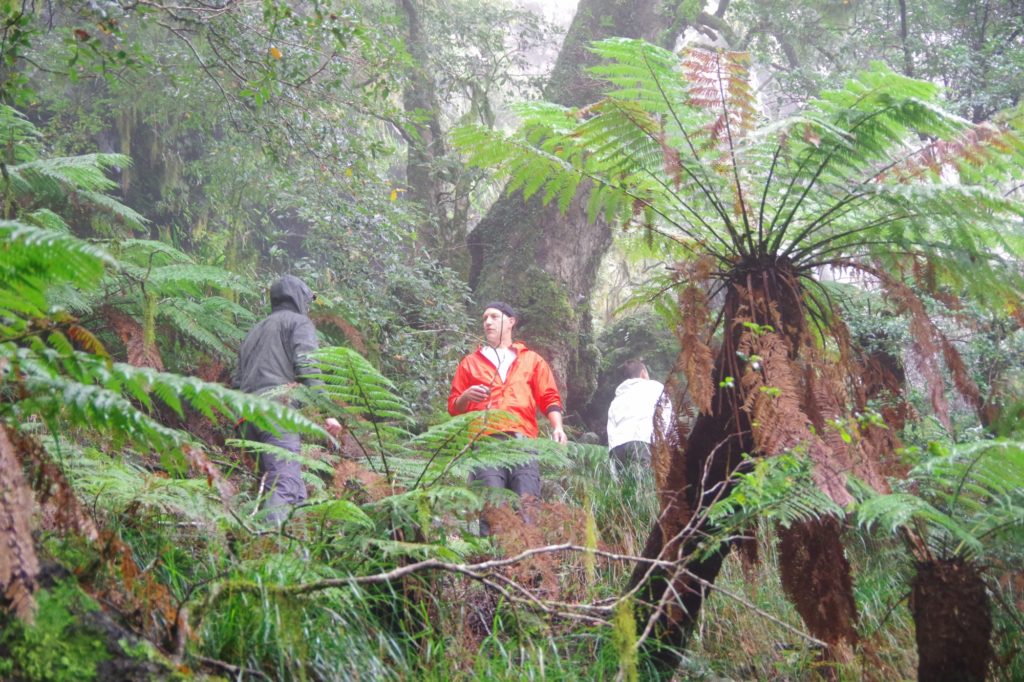
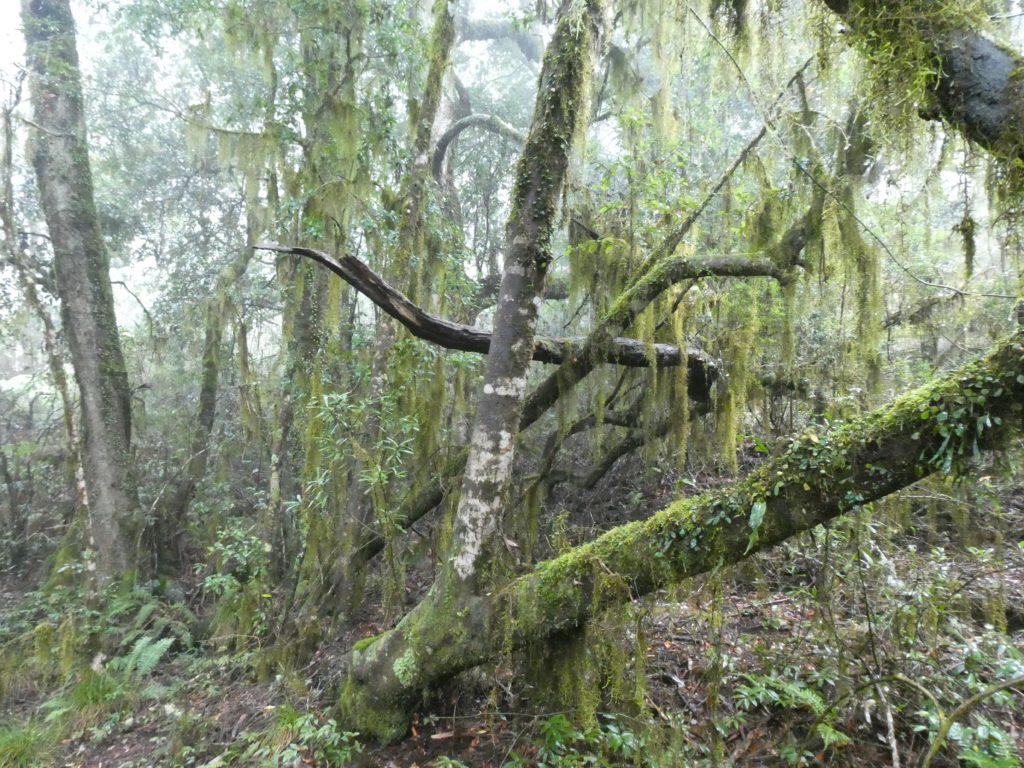
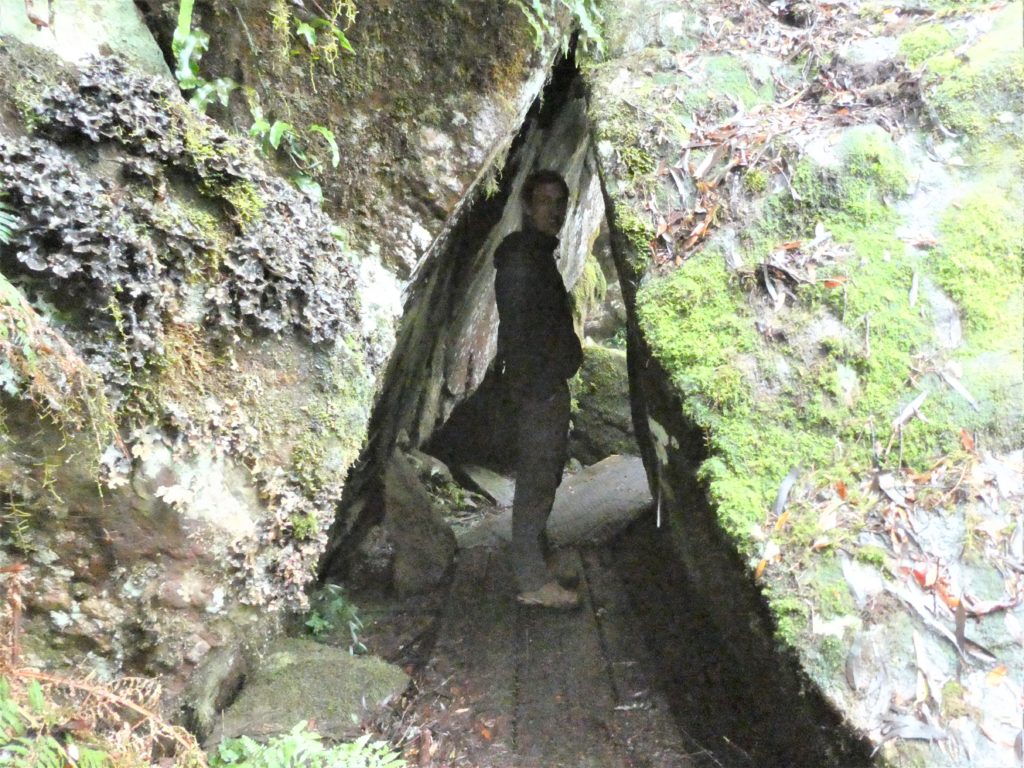
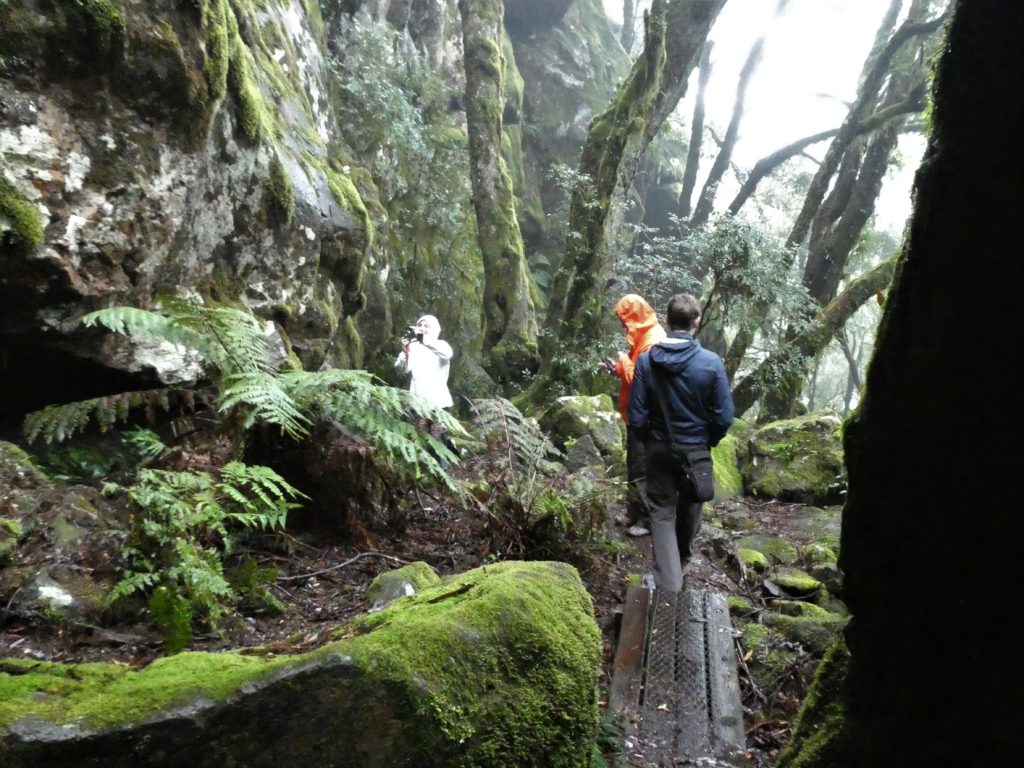
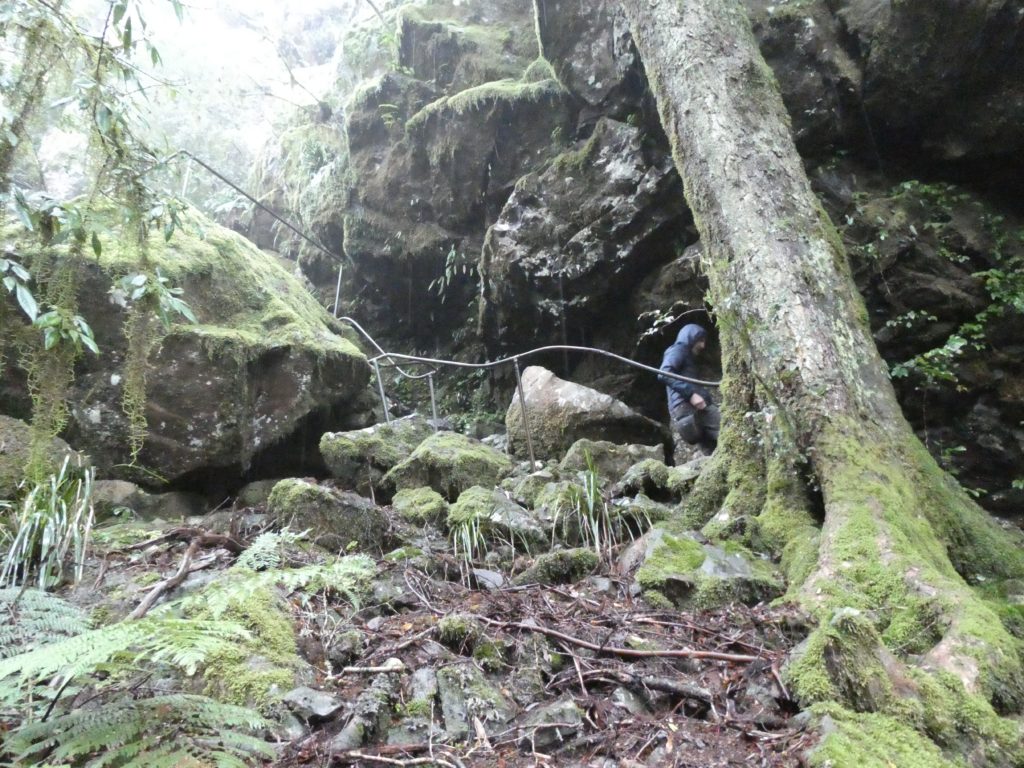
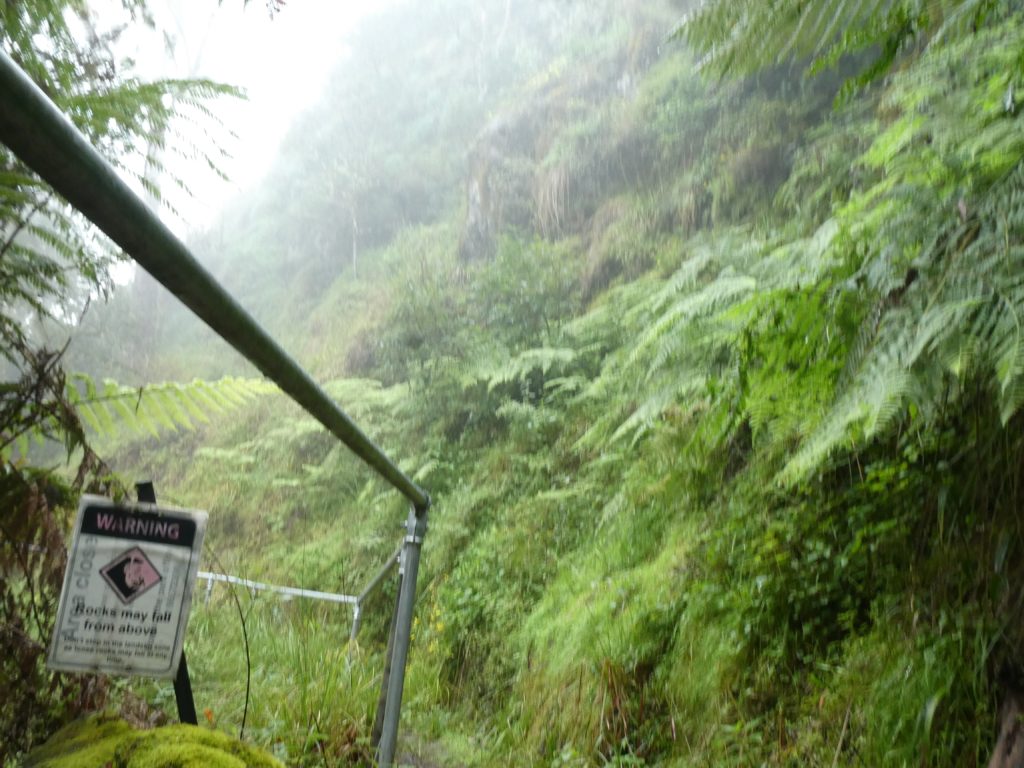
“rocks may fall from above” (that’s more normal than the other way!)
In the nearby village Ebor we had a small lunch with scones and veggie burgers and tried to find a place to refill the gas bottle but couldn’t find, so we went on to the next camping place on our list, the Barokee rest area, and pitched the tent, before we started the walk in Cathedral Rock National Park in a flat and pleasant area. After a while it became more and more challenging, in the end especially for people with fear of heights, like 3 of us (2xM+1D). But we all wanted to get to the top, being well aware of the difficulties ahead of us when it is about getting down again. On top, we shortly enjoyed the view, before bravely finding our way down.
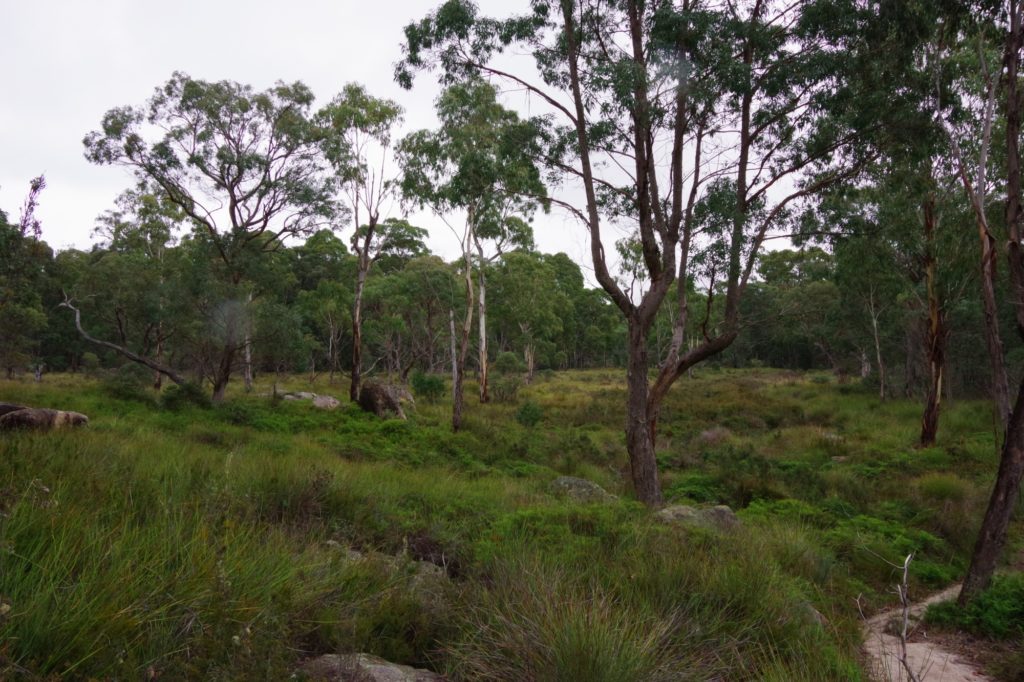
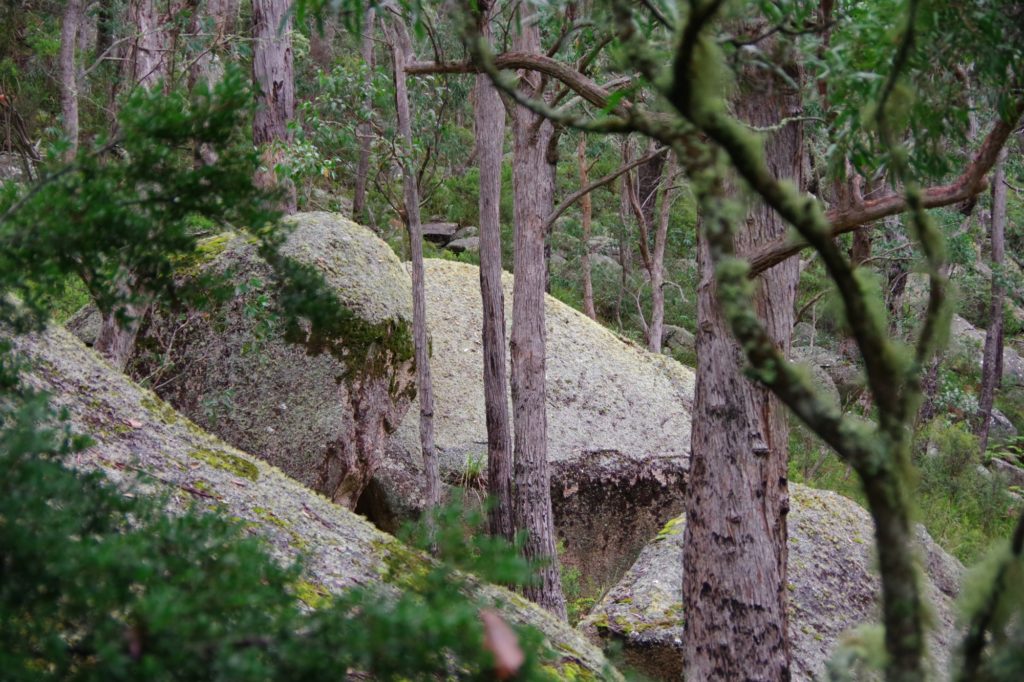
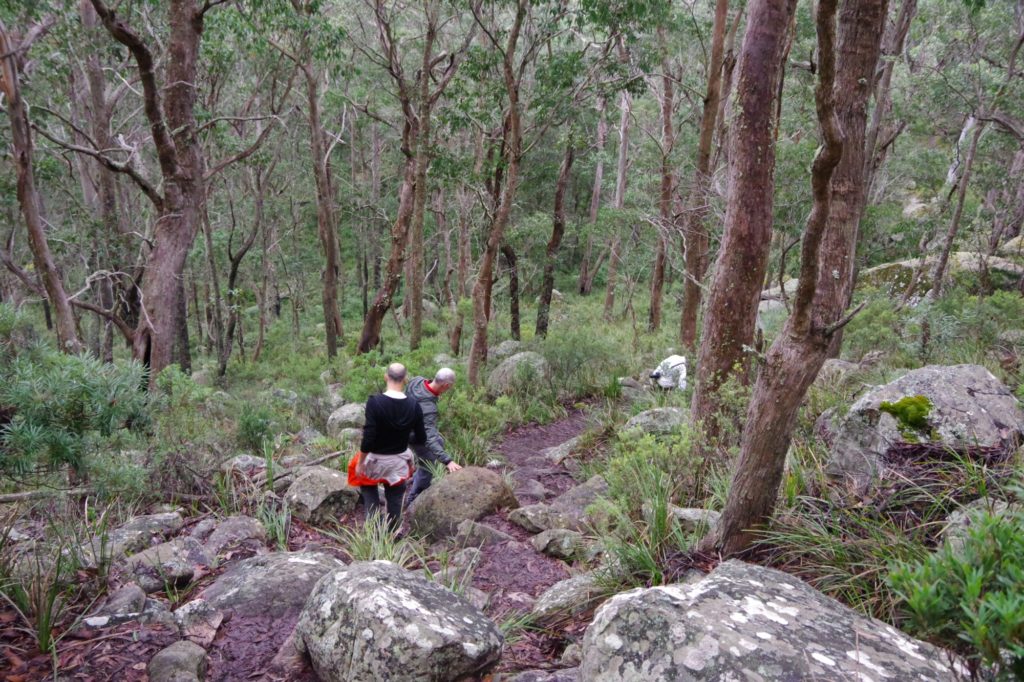
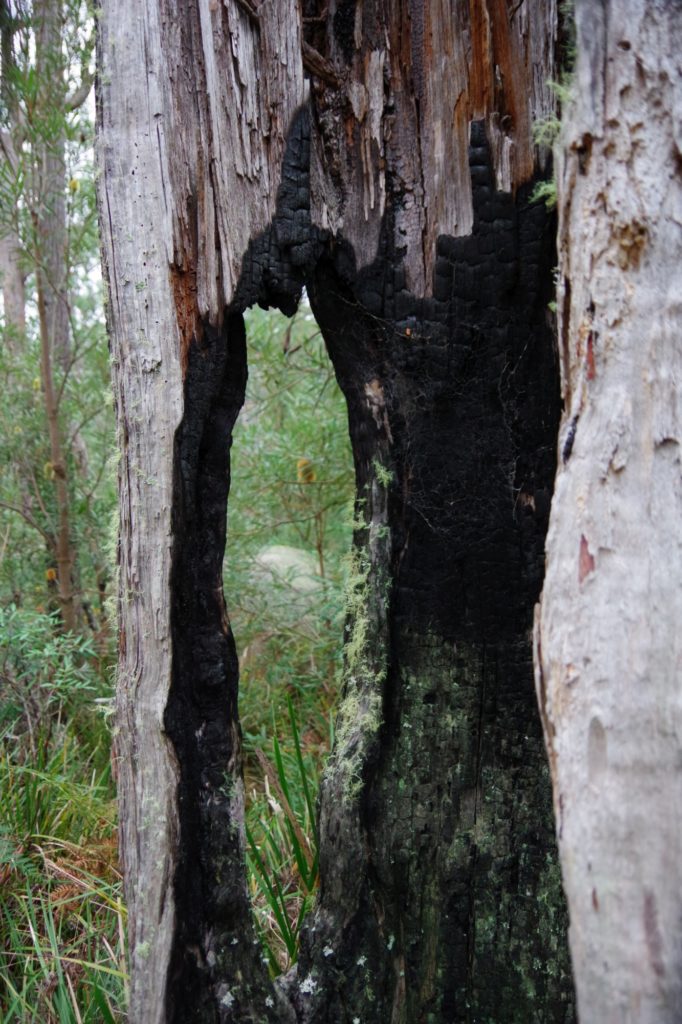
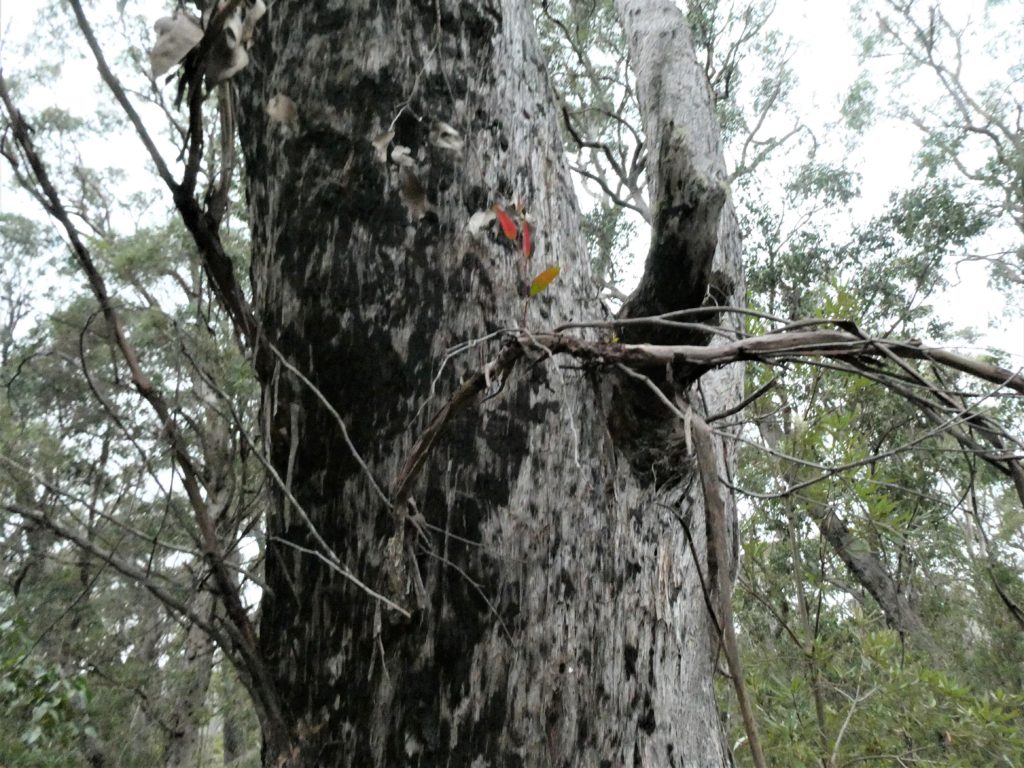
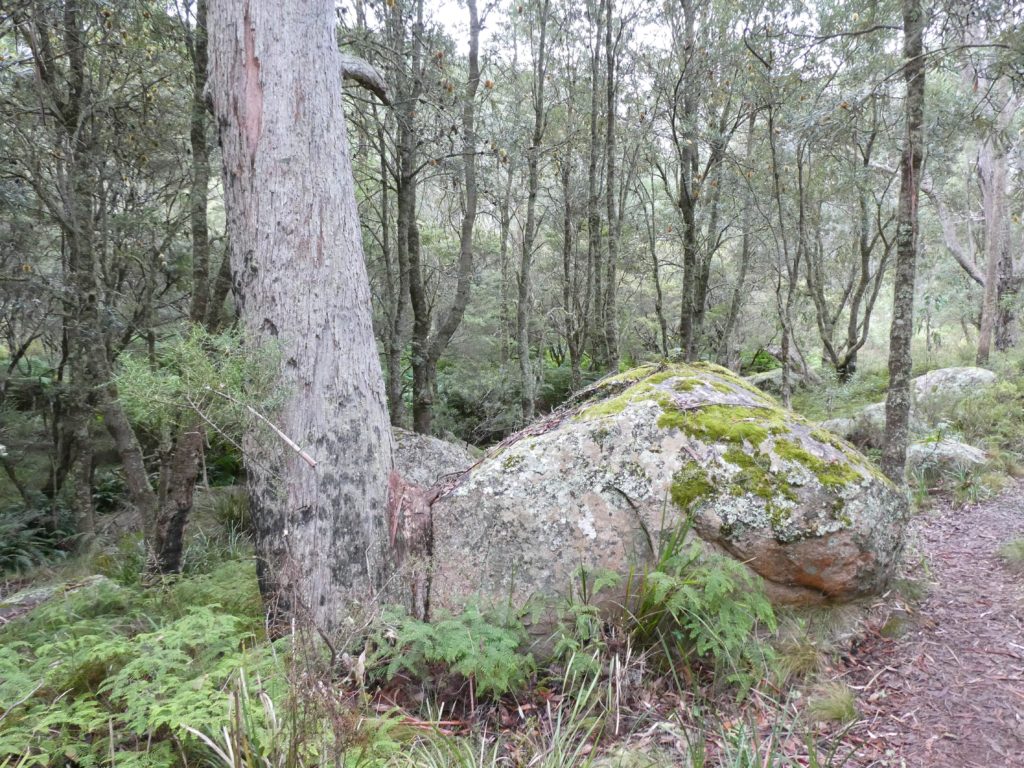
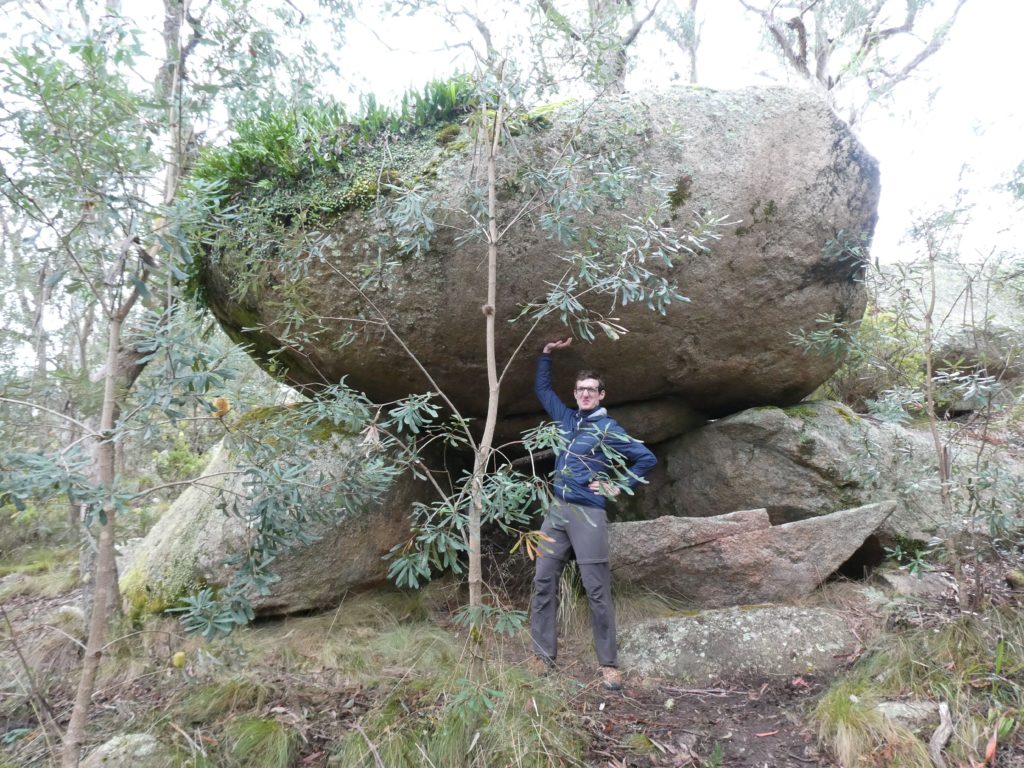
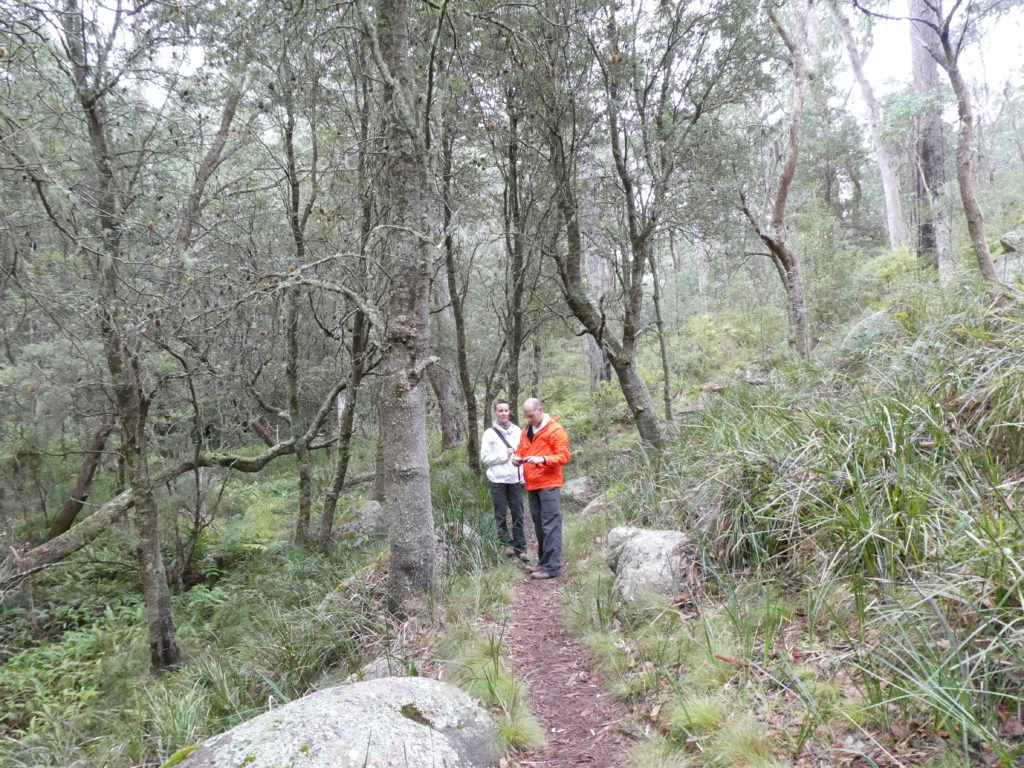
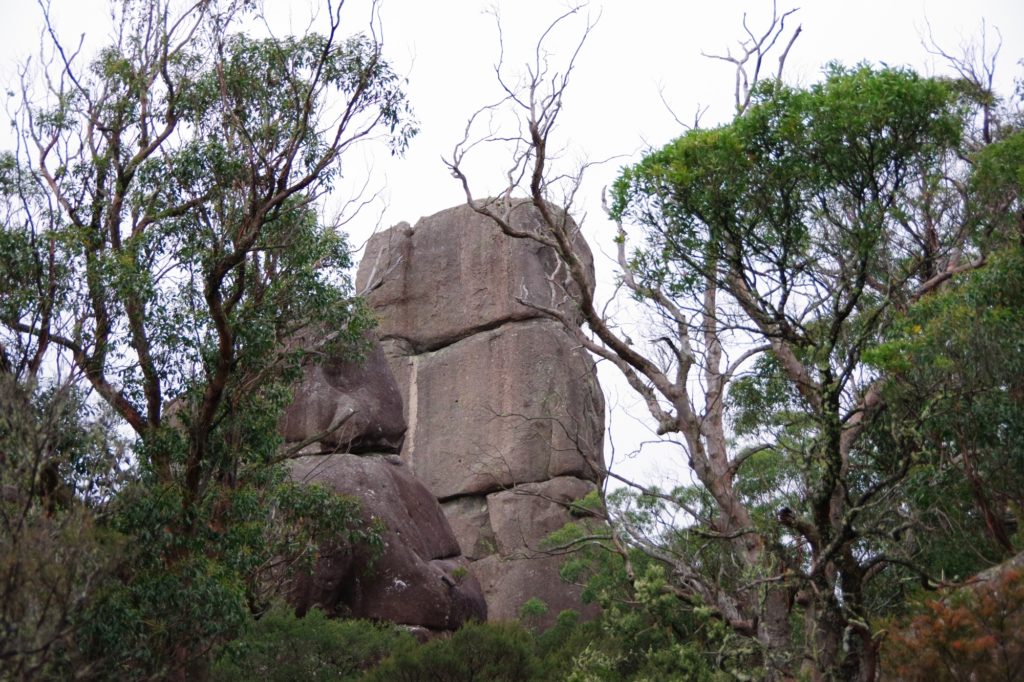
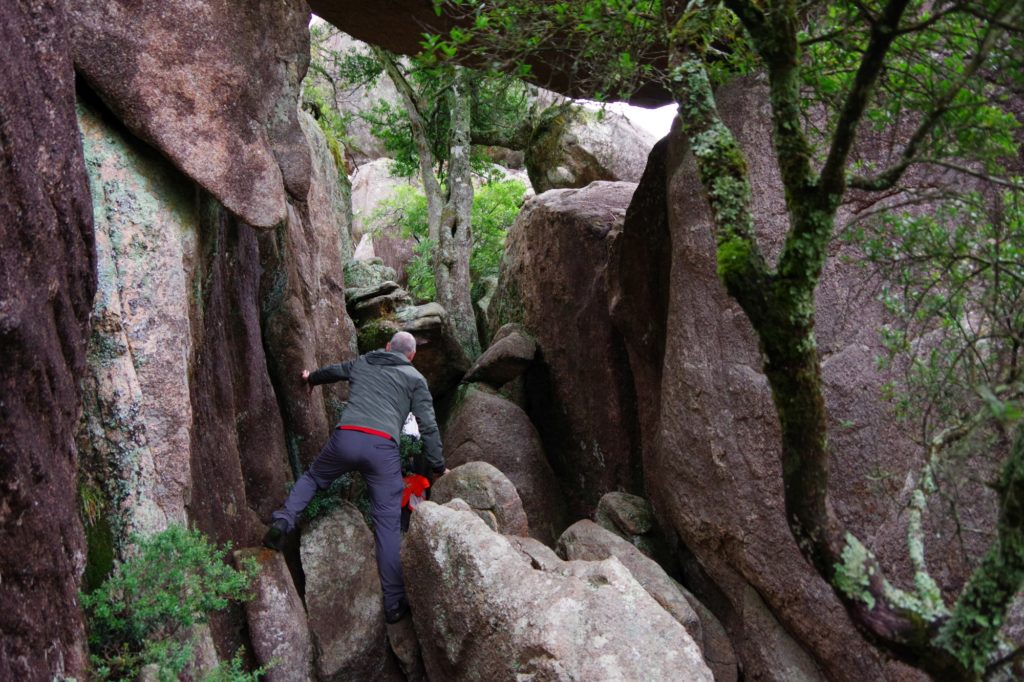
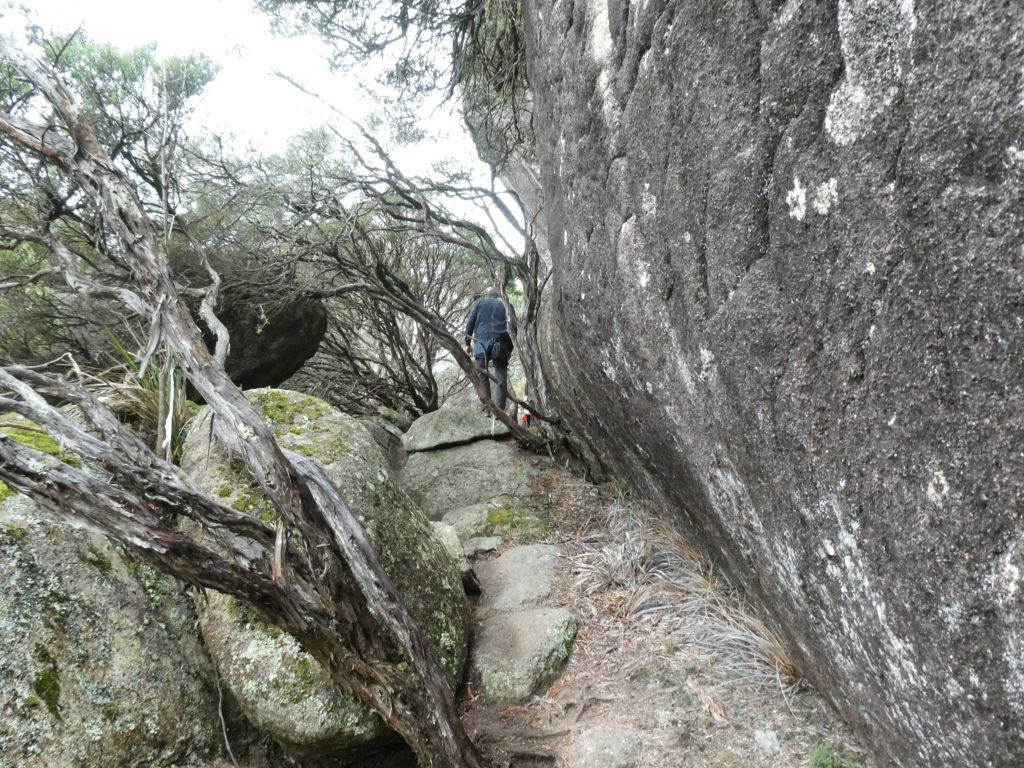
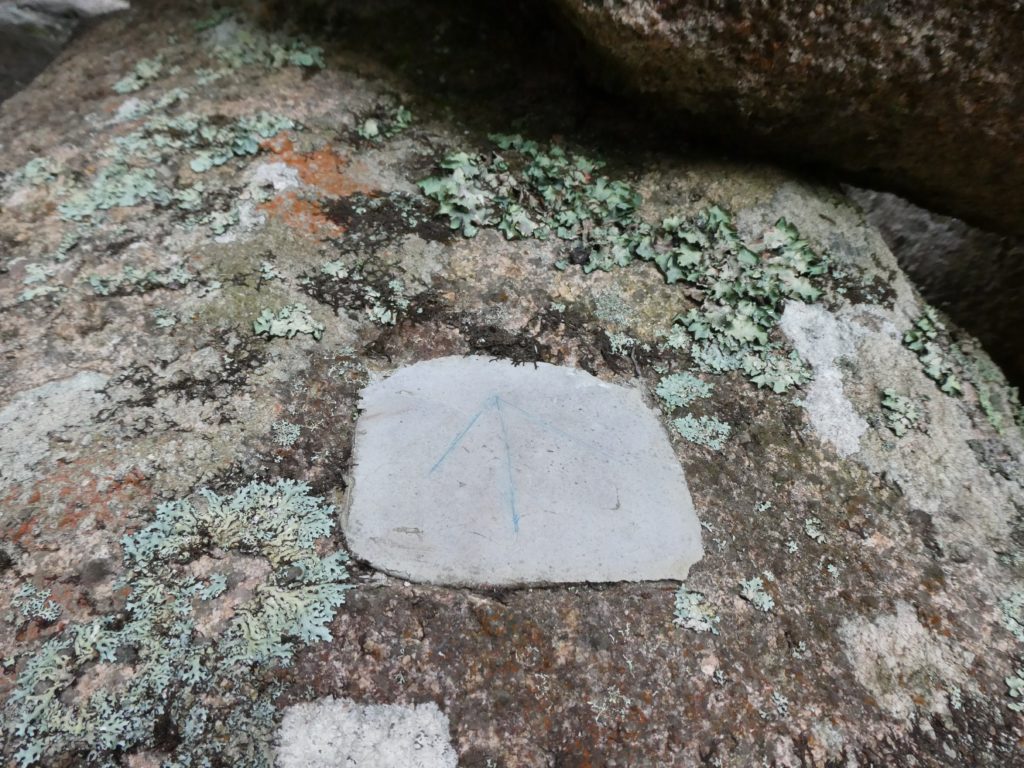
how to follow this arrow?! 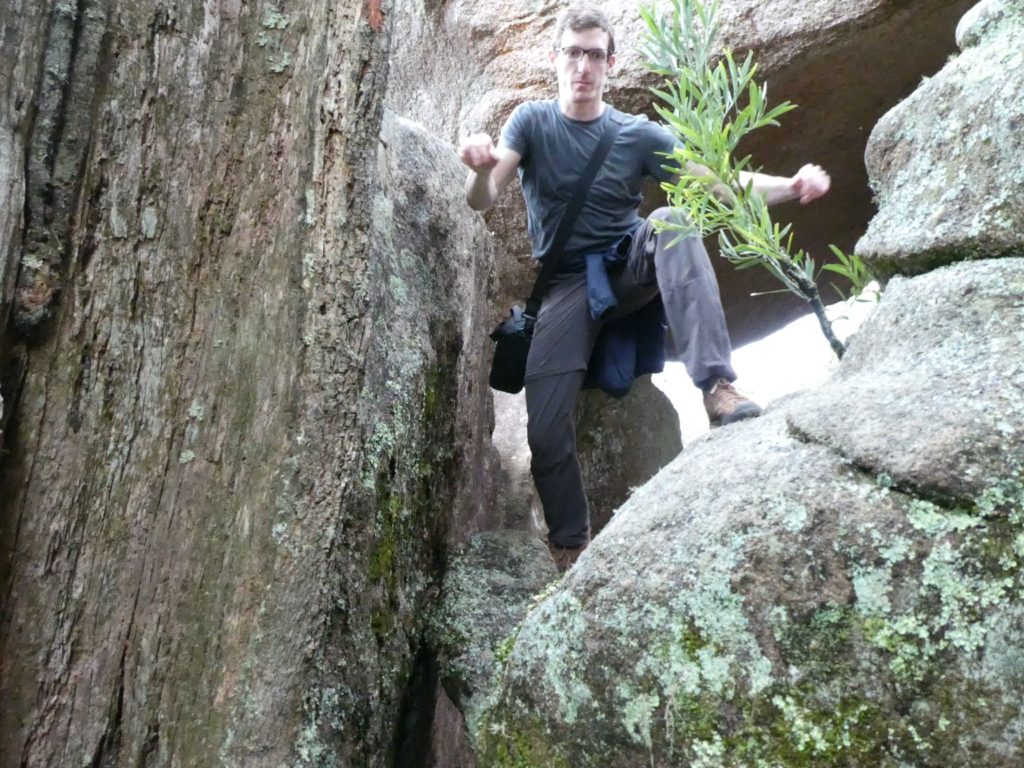

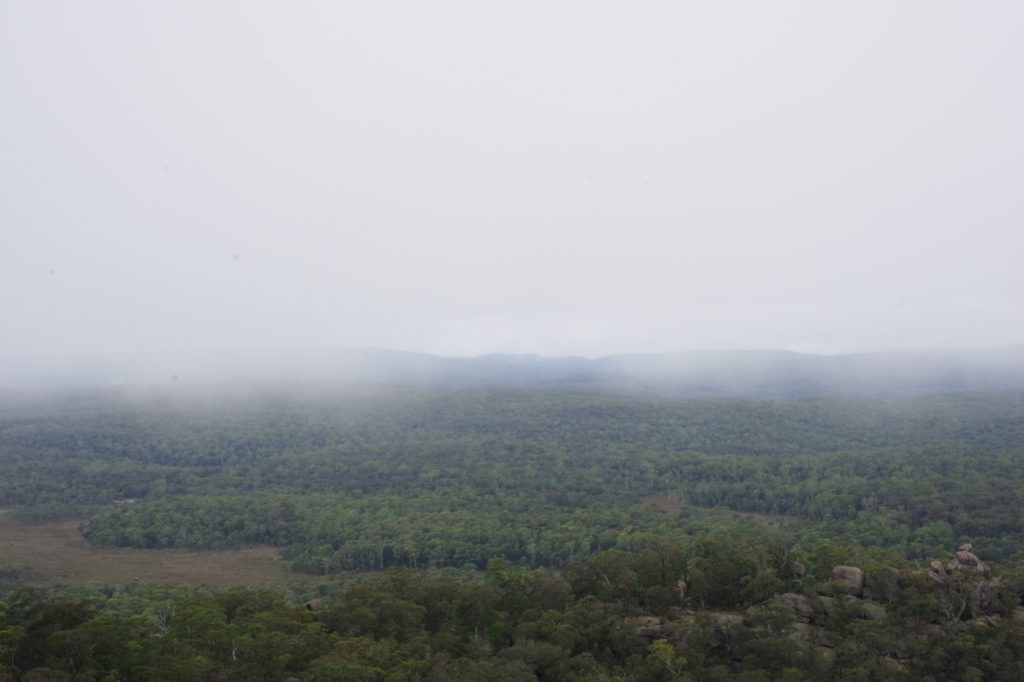
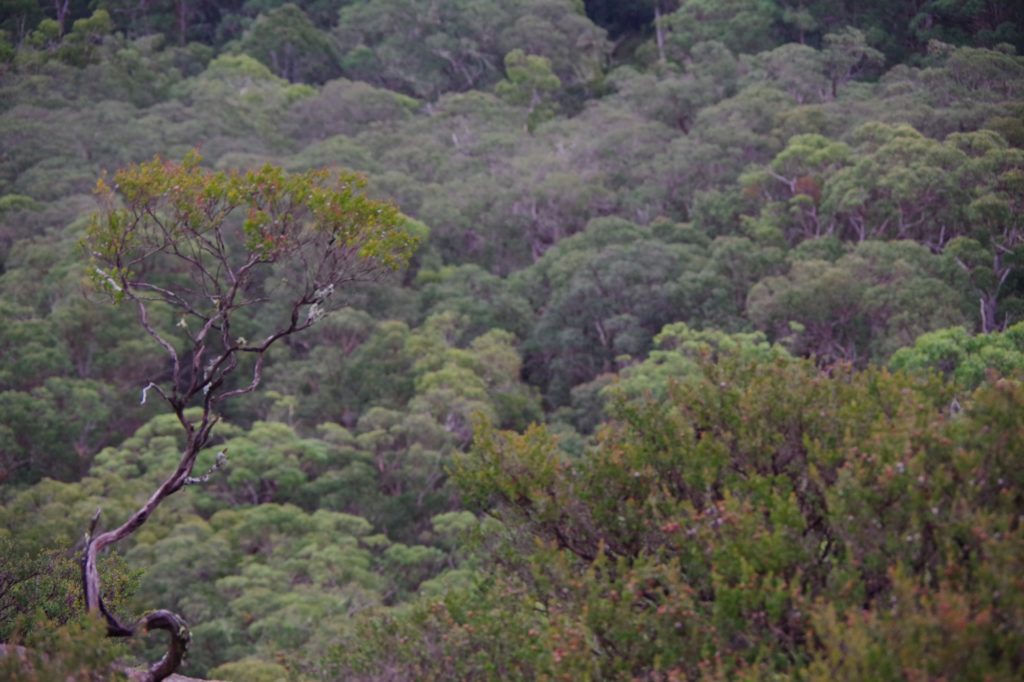
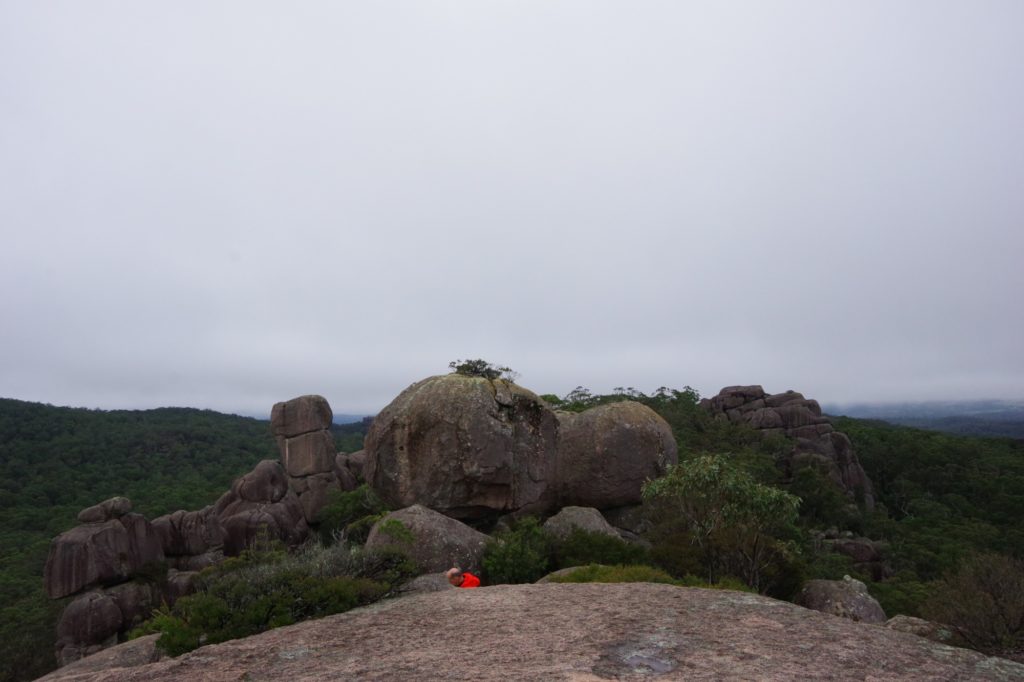
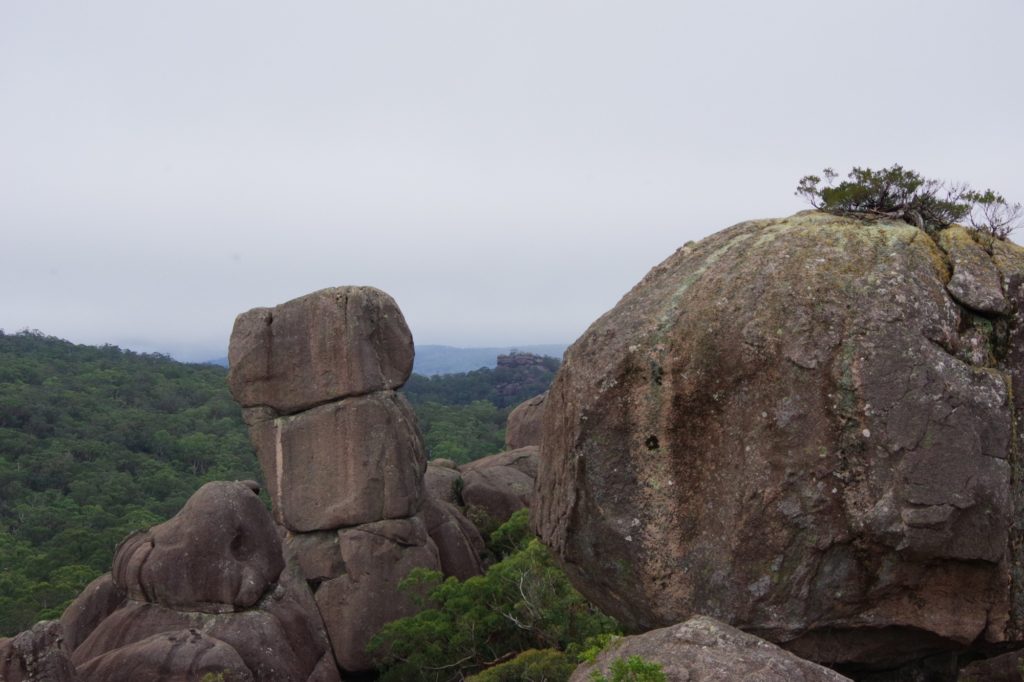
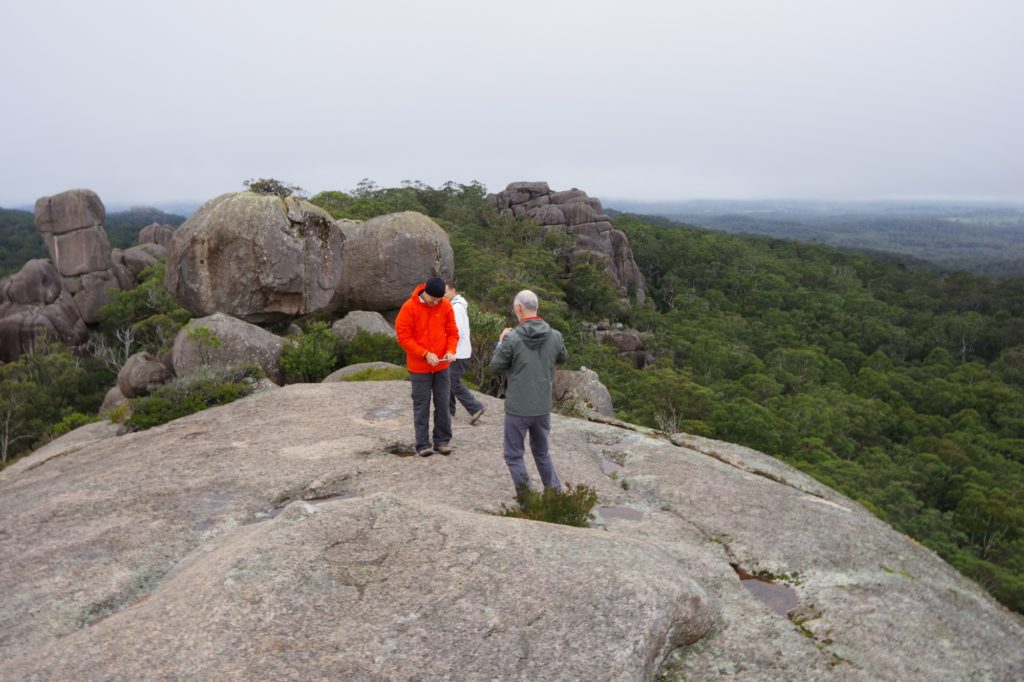
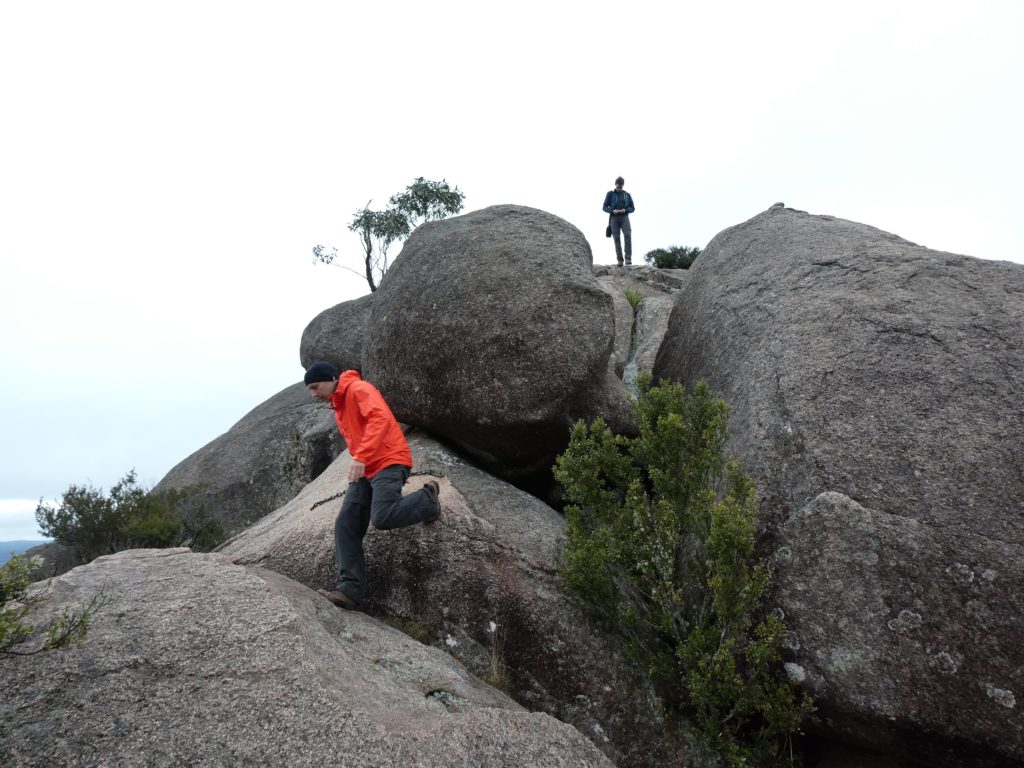
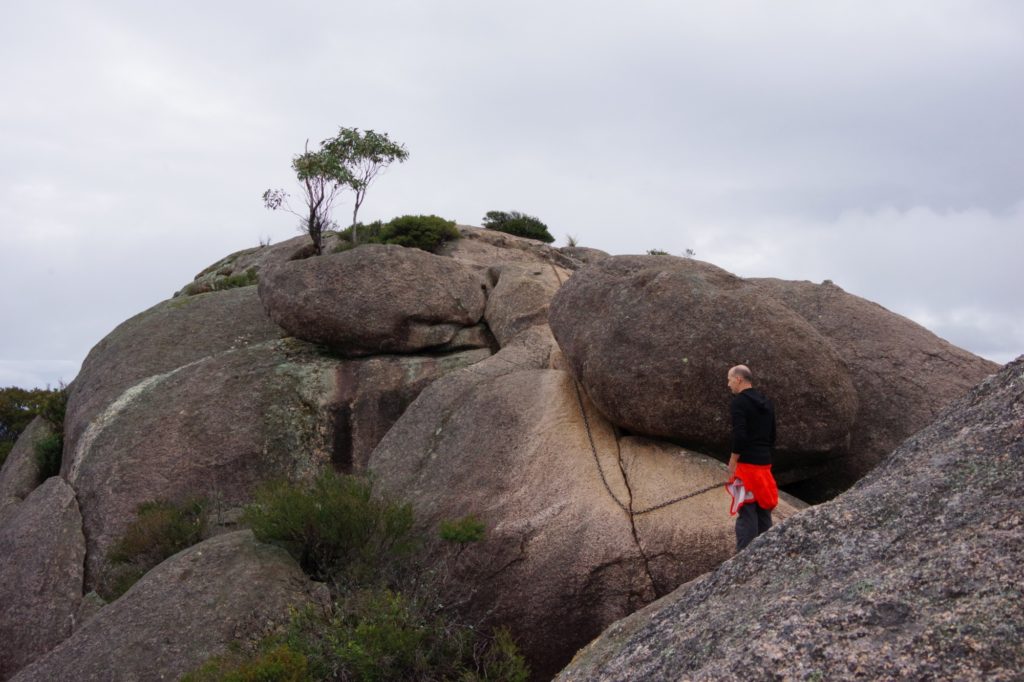
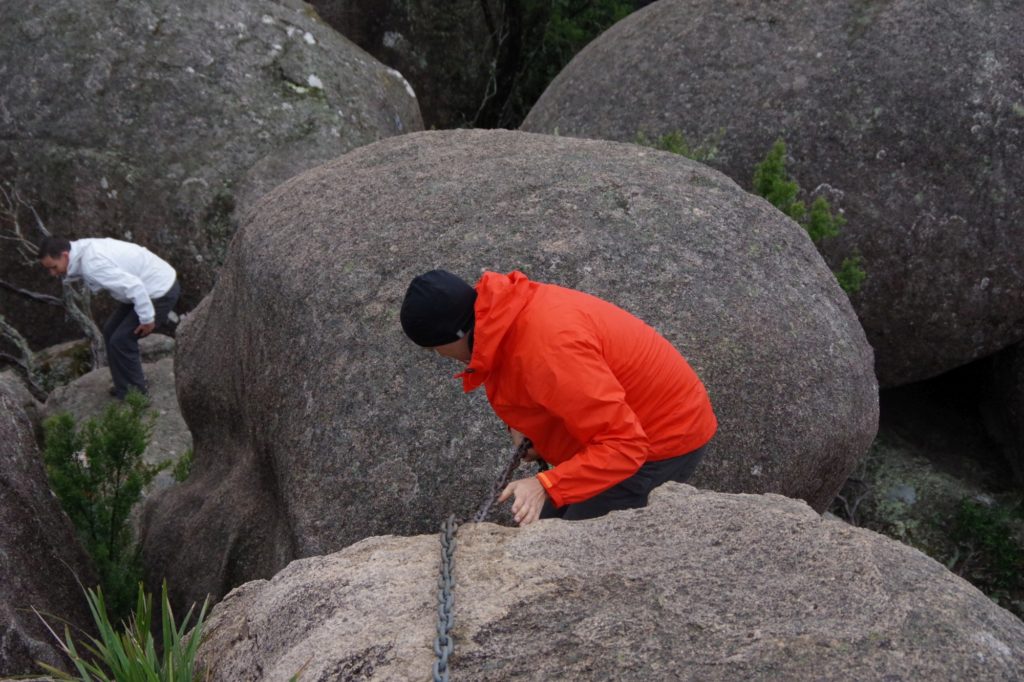
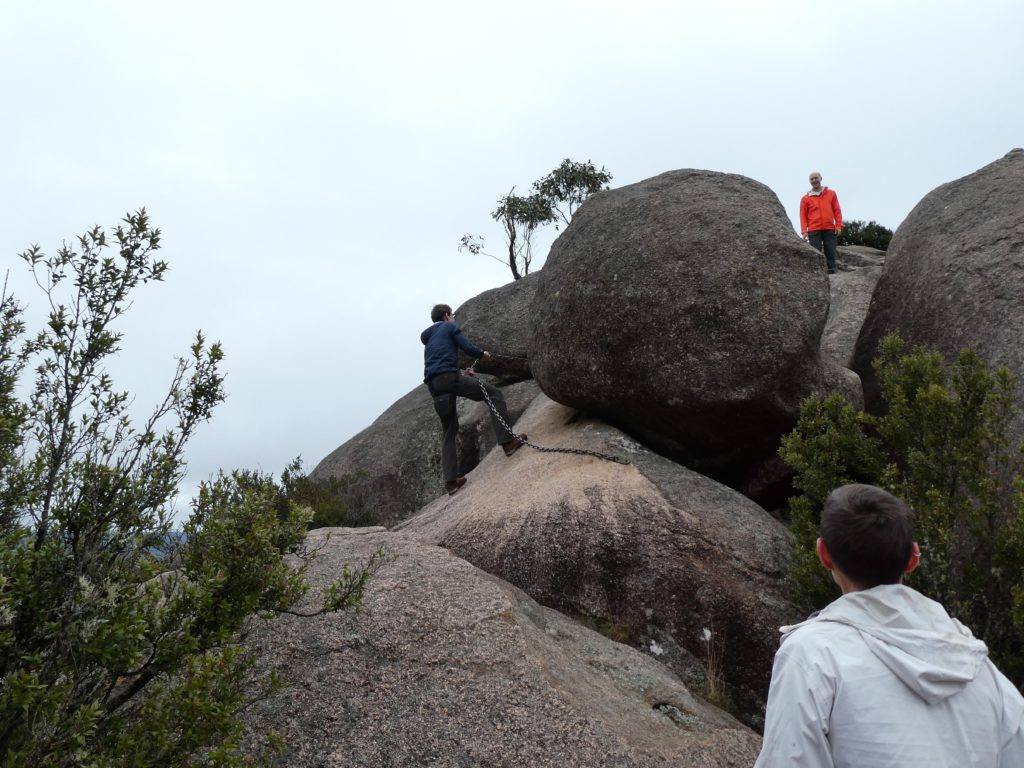
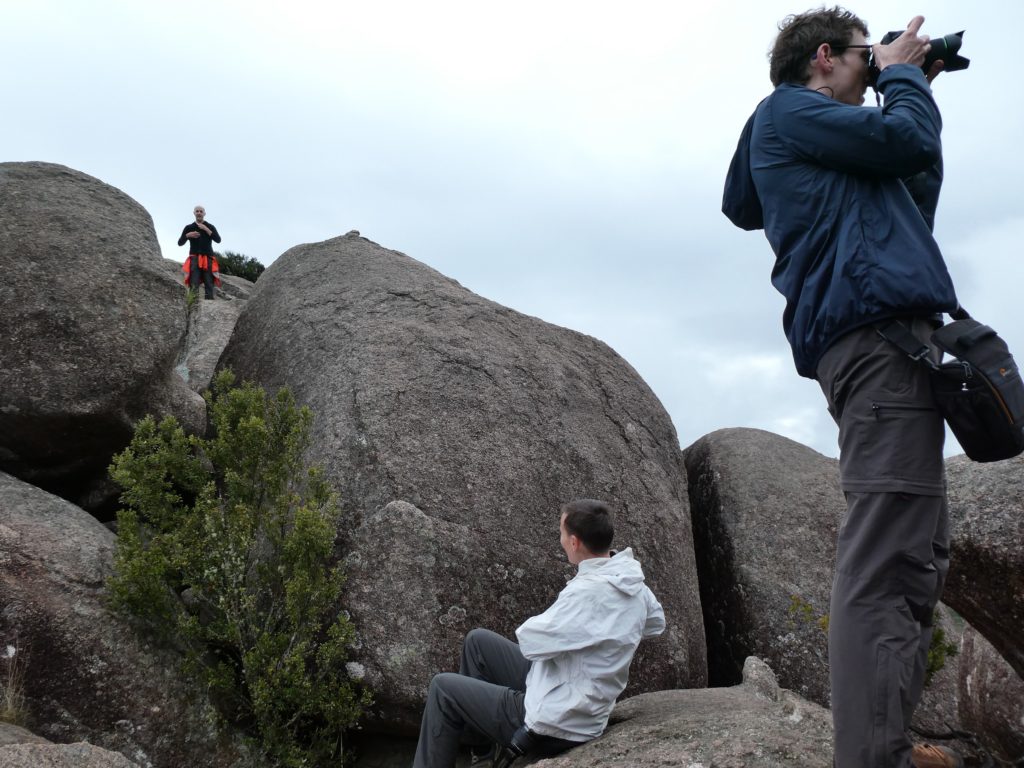
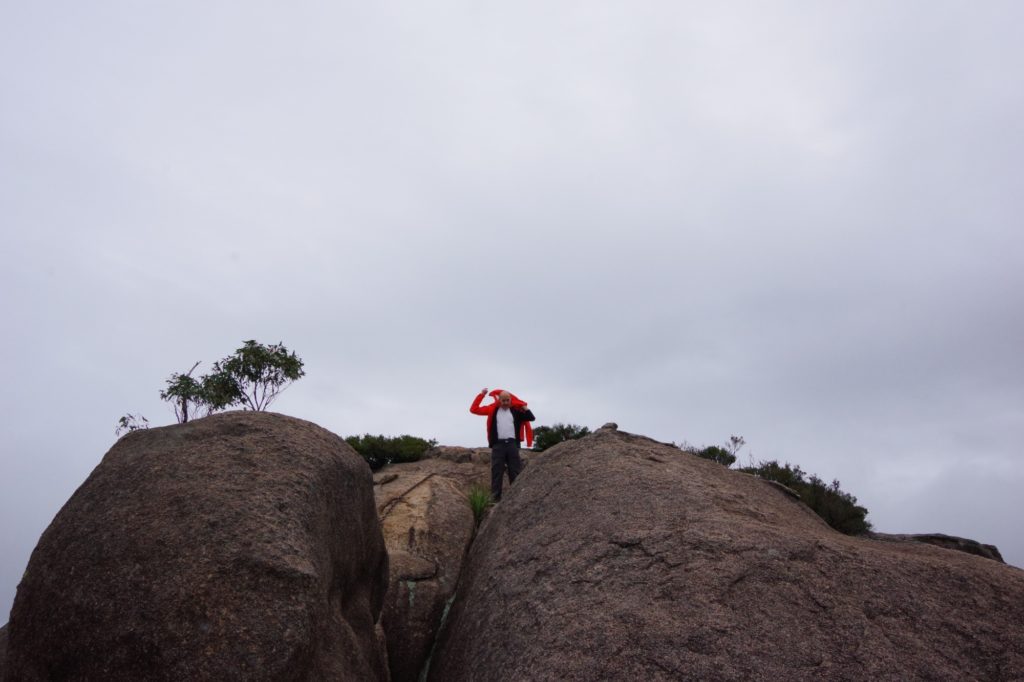
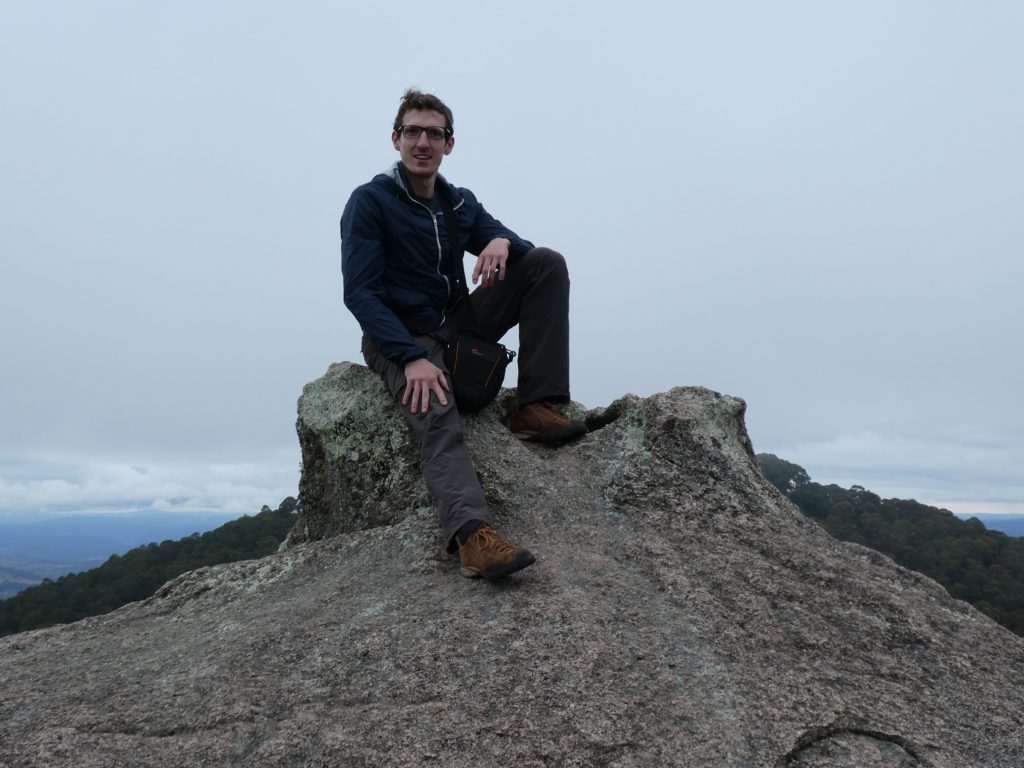
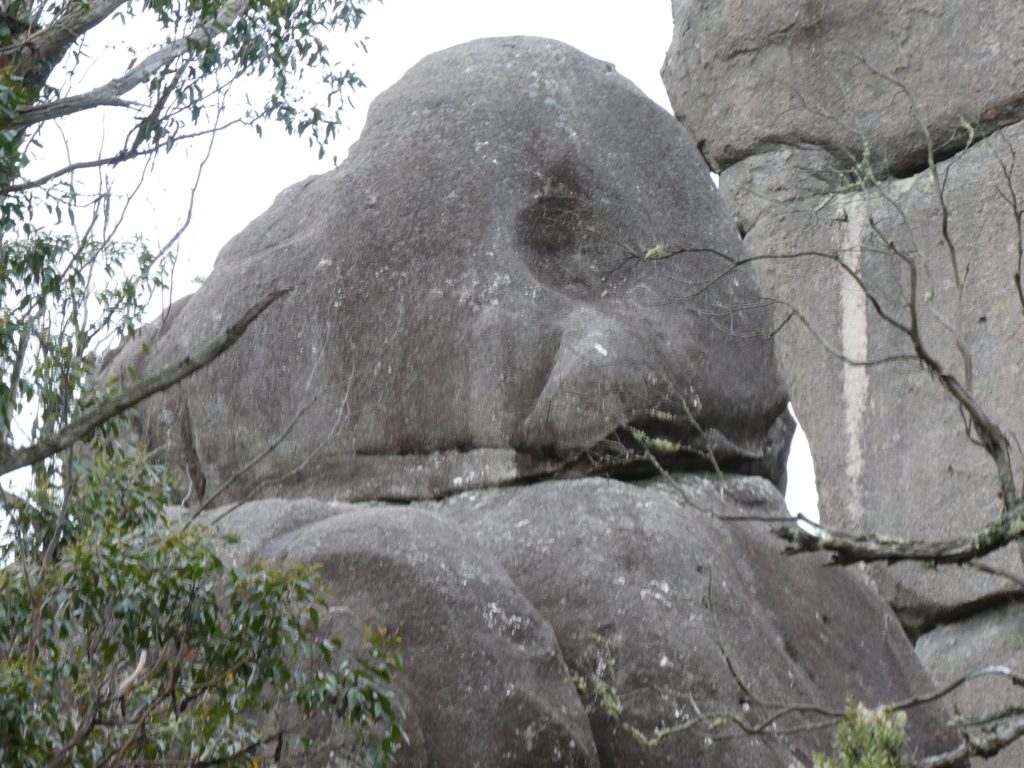
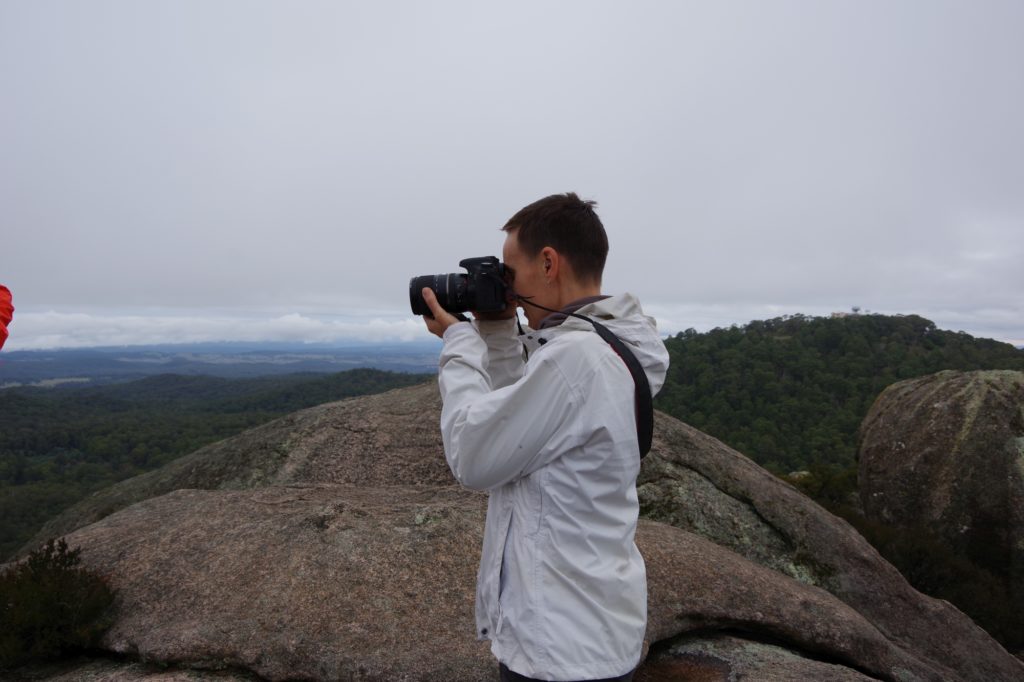
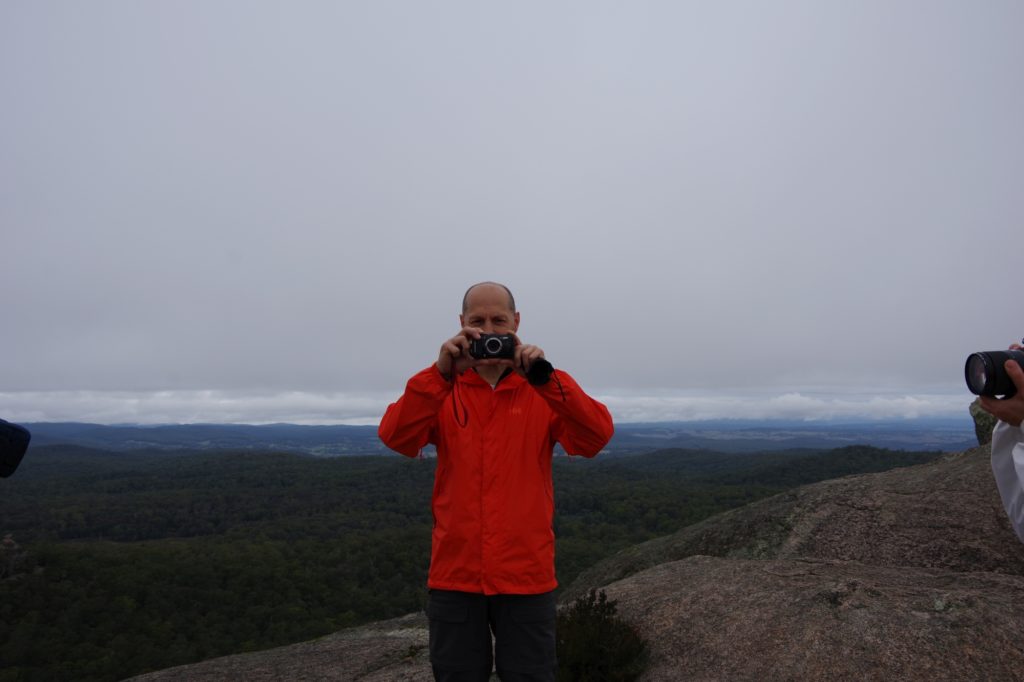

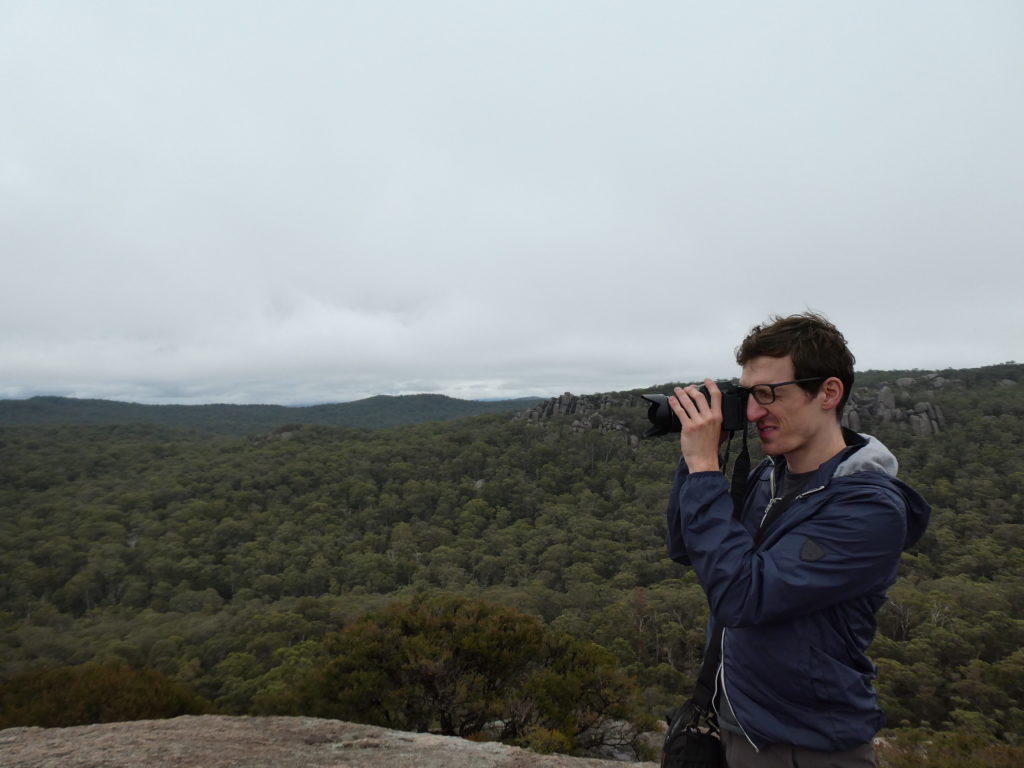
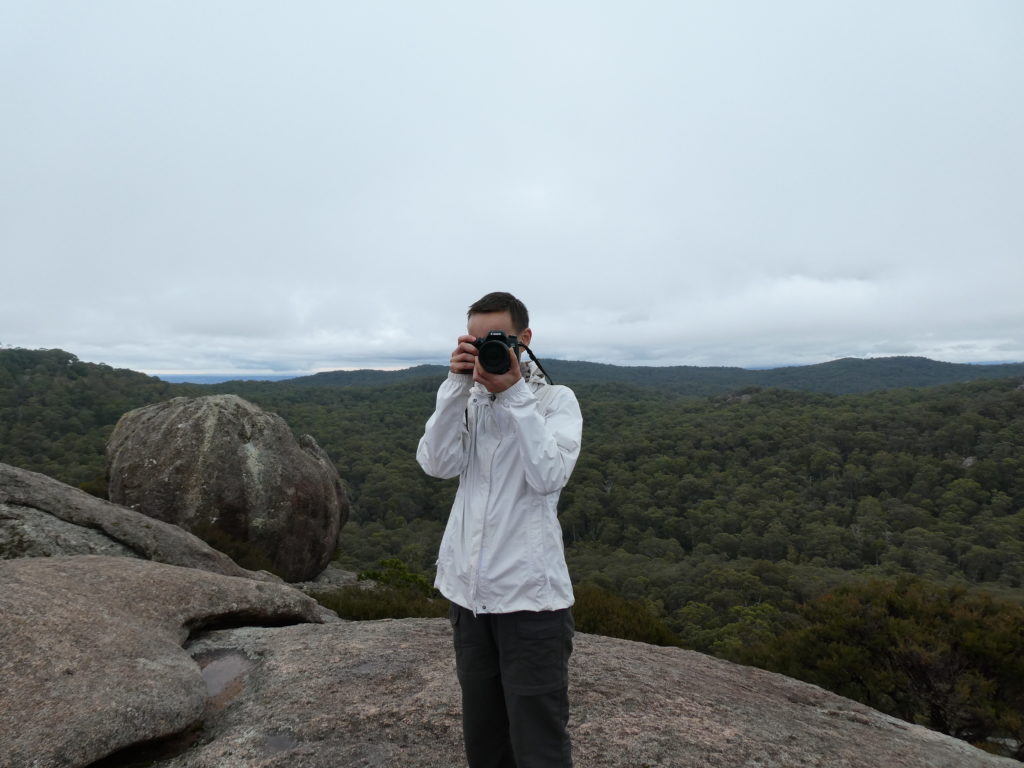
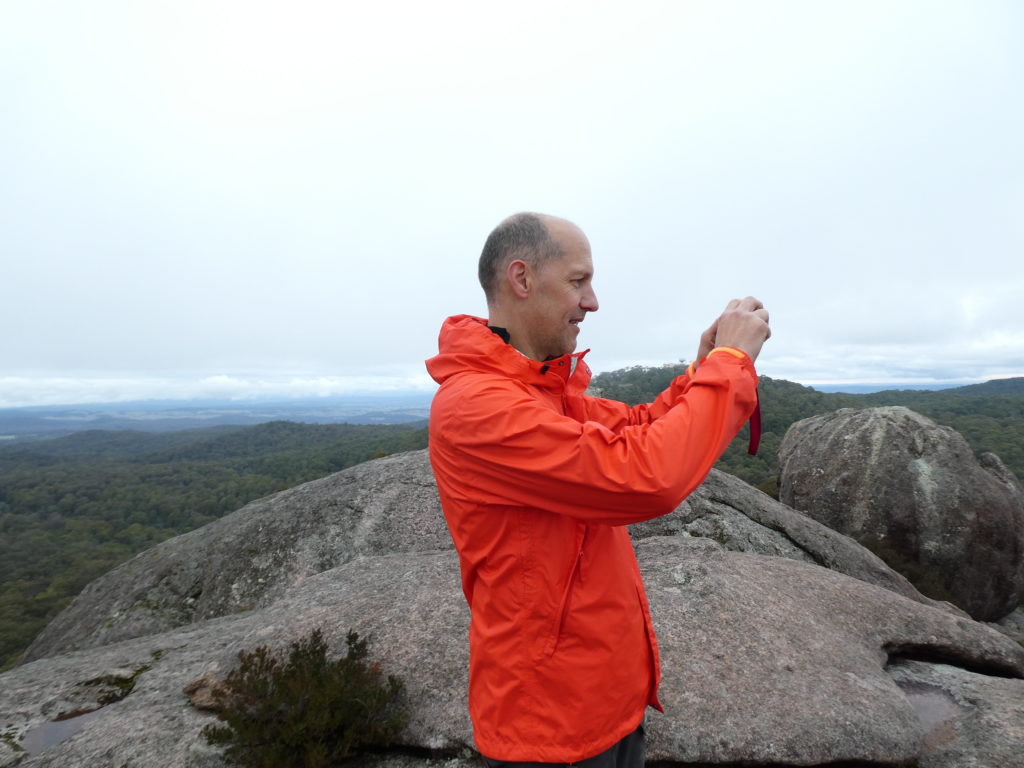
We had not much time to celebrate conquering that summit, because we wanted to join a guided tour at night, so we went back to the Thungutti camping area and had dinner again under that shed before the Night walk started.
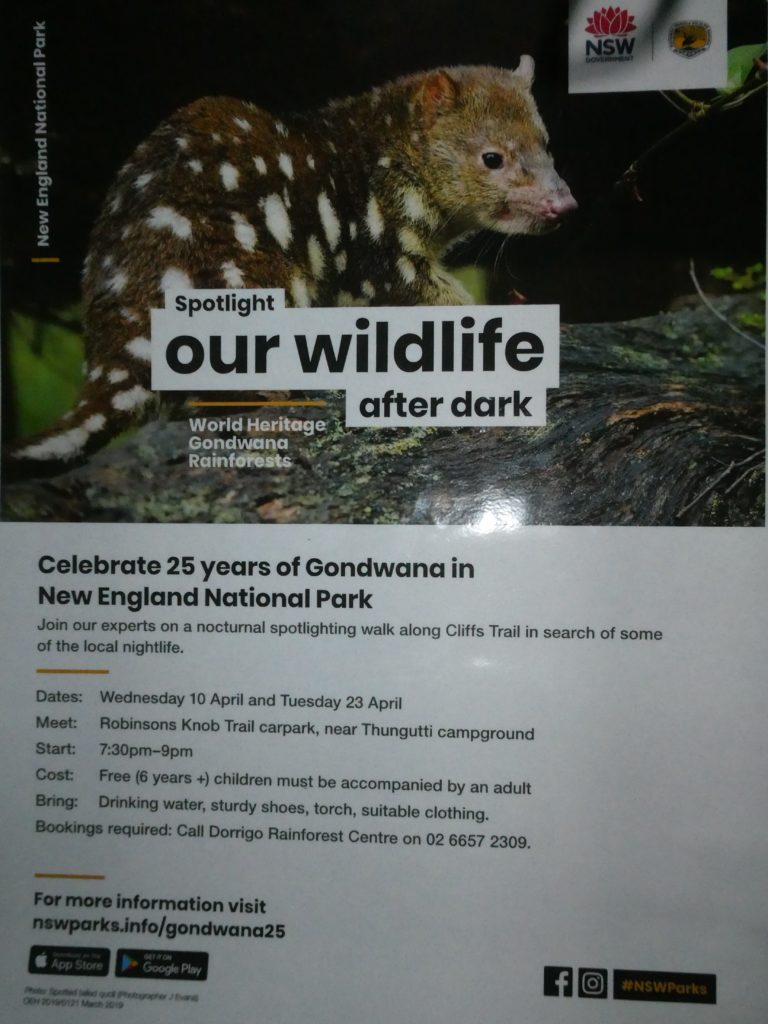
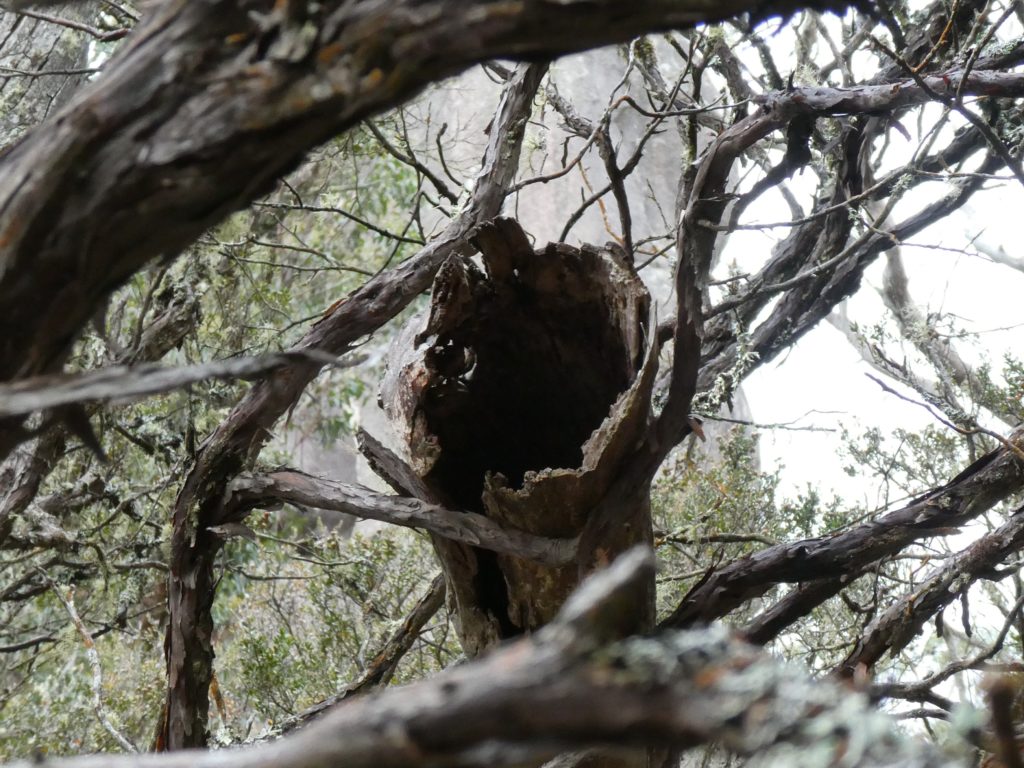
We had two tour guides, again packing a lot of information in very humorous ways. They spotted and showed us Gliders and explained us a lot about bats, the formation and destruction of the rocks of Great Dividing Range by water, making those rugged abysses with waterfalls. They also told us about the problems of the National parks. There are many but mainly in areas that are too inaccessible for intensive agriculture and by that sometimes too small and too scattered for sound populations of endangered species. For example, one owl needs an area of 800ha for living but you need at least 500 nesting pairs for a sustainable population and that is 4000km2 (The New England National Park has 673km2)